
Our products
Backoffice
In the quest to meet the growing global food demand, agriculture is undergoing a technological revolution. One of the most transformative advancements is digital phenotyping, a method that leverages cutting-edge technologies to analyze plant traits with unprecedented precision. This approach not only enhances crop productivity but also contributes to sustainable farming practices.
Digital phenotyping involves the use of advanced imaging, sensors, and data analytics to measure and analyze plant characteristics such as growth rates, disease resistance, and yield potential. By capturing high-resolution data, this technology enables researchers and farmers to make informed decisions that optimize crop performance and resource utilization.
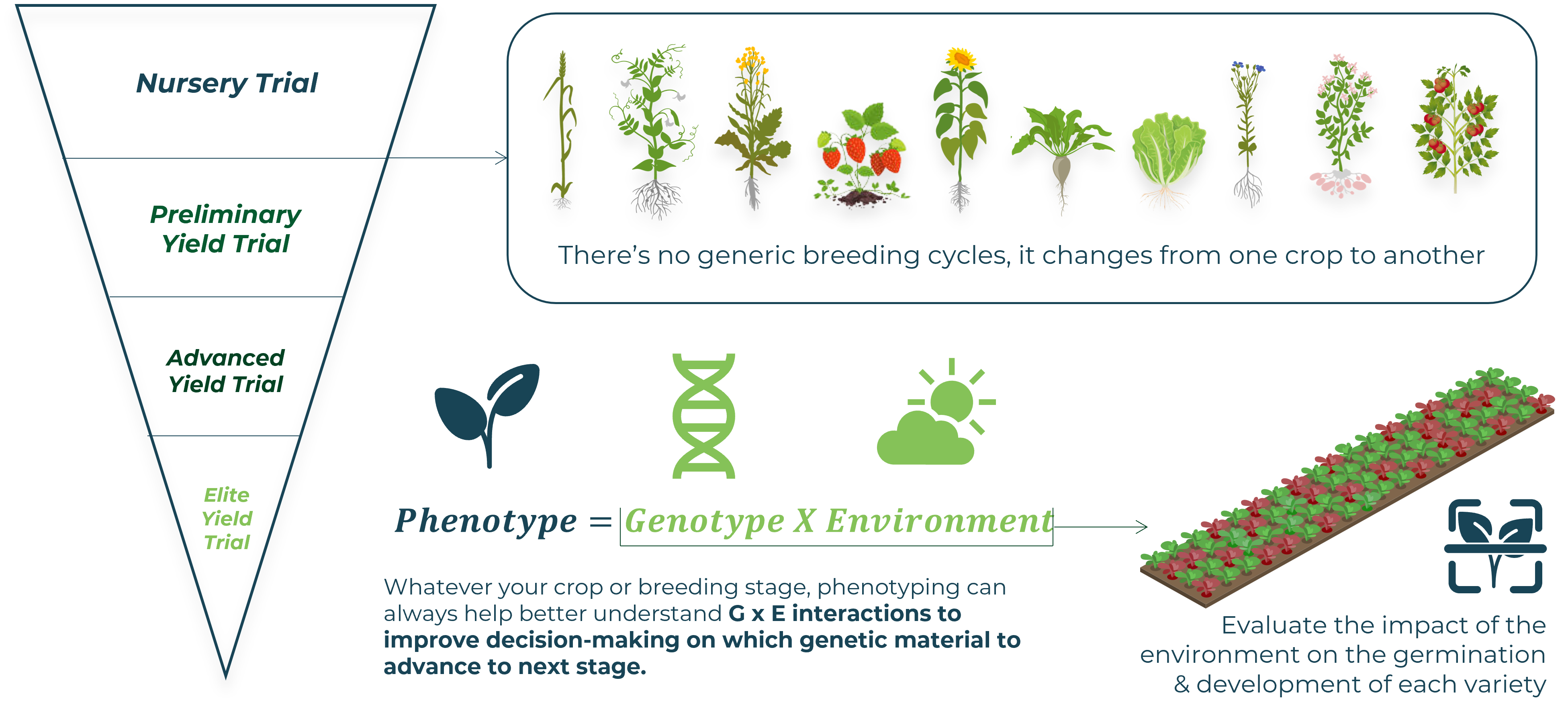
As a leader in the field, Hiphen offers innovative solutions that empower agricultural stakeholders to harness the full potential of digital phenotyping:
Literal: This agile and flexible handheld device provides ultra-precise plant measurements under field conditions, allowing for detailed assessments of various crops almost in real-time thanks to automated trait processing.
PhenoScale® (Drone-based Phenotyping): A high-throughput phenotyping platform that processes drone-captured data into valuable phenotypic information, facilitating frictionless plant analysis.
Acquisition of SlantRange (USA) Aurea Imaging (NL) Phenotyping Activities: By integrating Slantrange’s (in 2023) and Aurea Imaging’s (in 2025) expertise, Hiphen has strengthened its leadership in drone-based image analytics, enhancing its ability to deliver comprehensive digital phenotyping services.
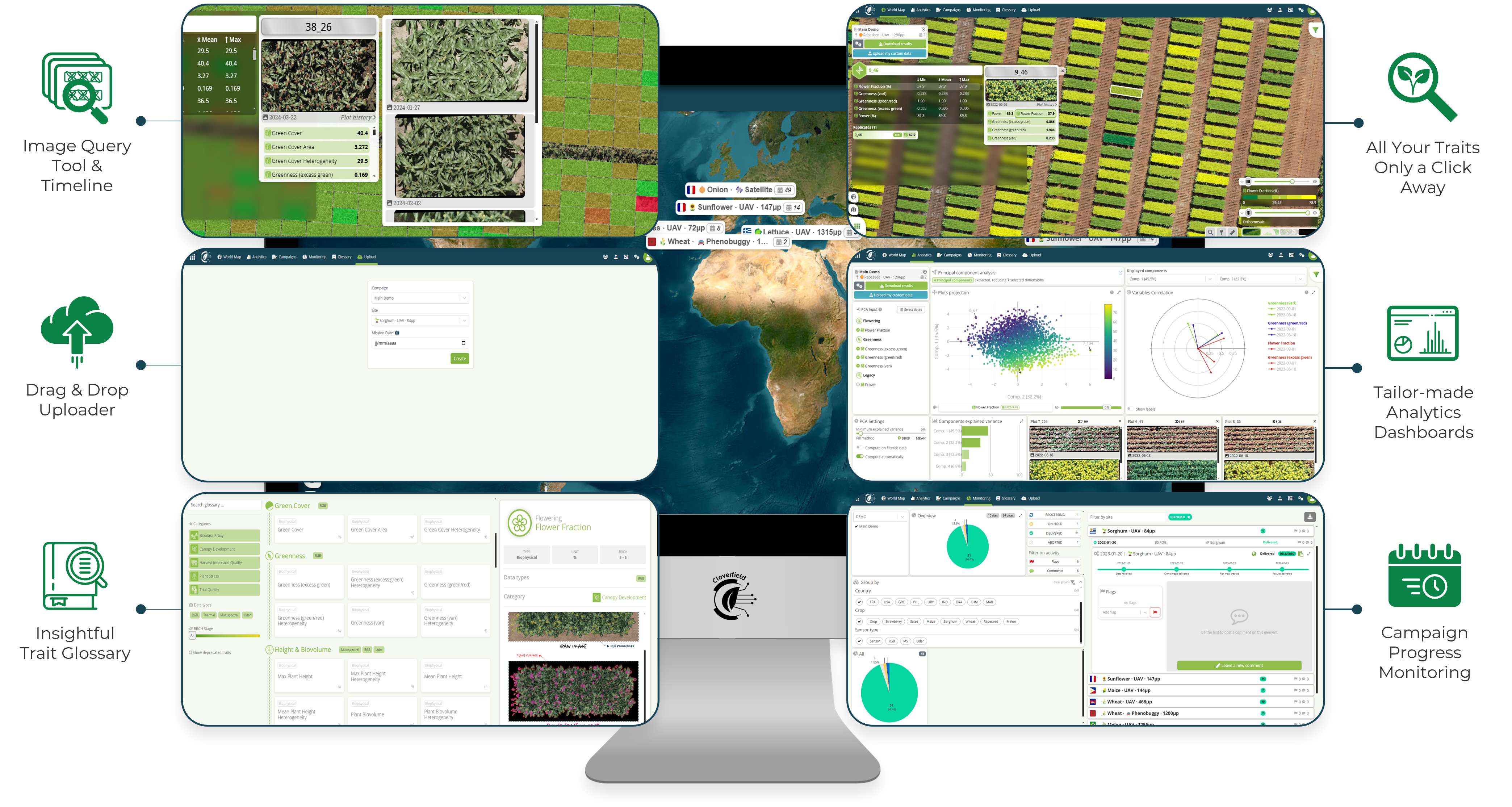
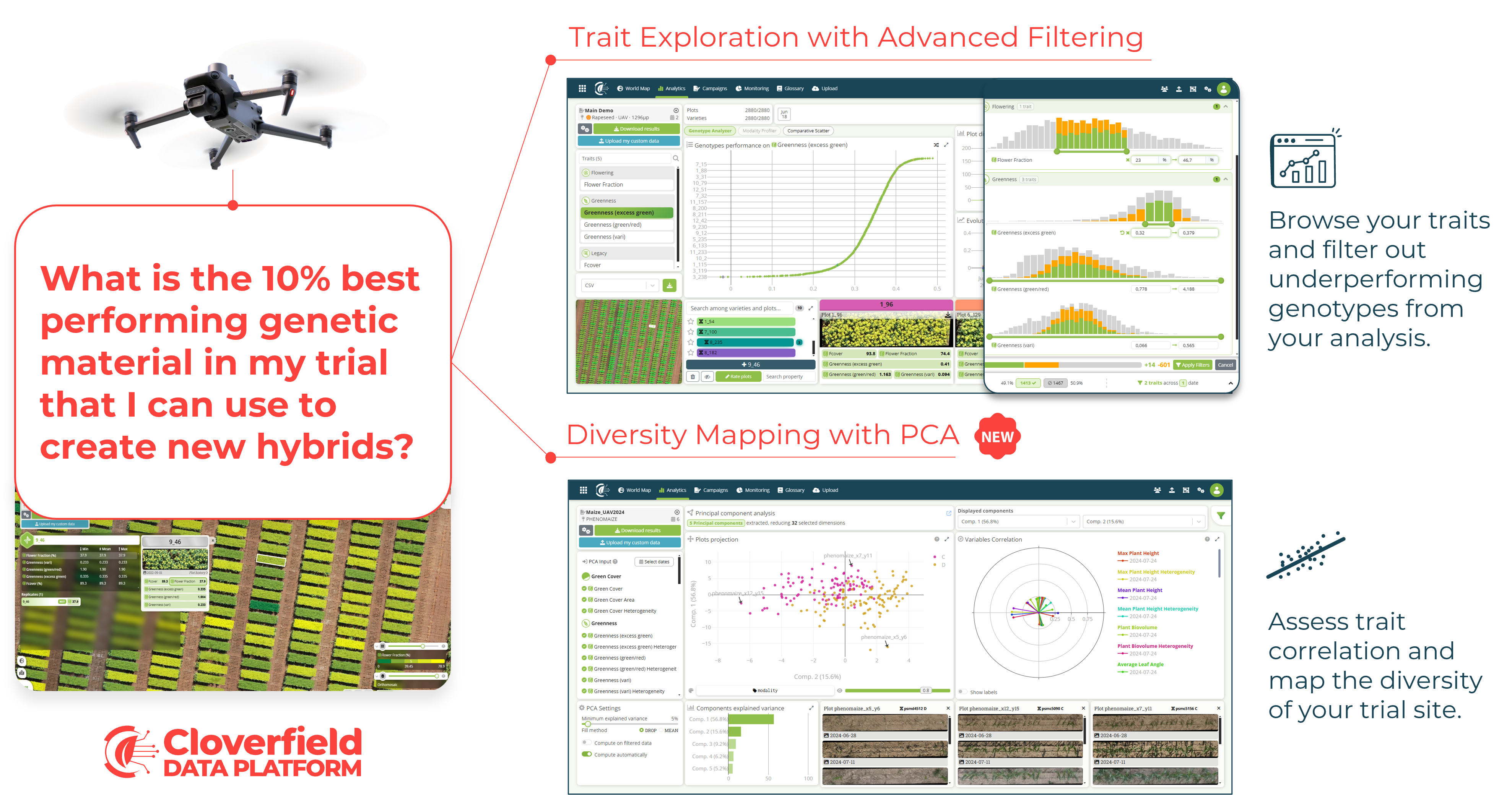
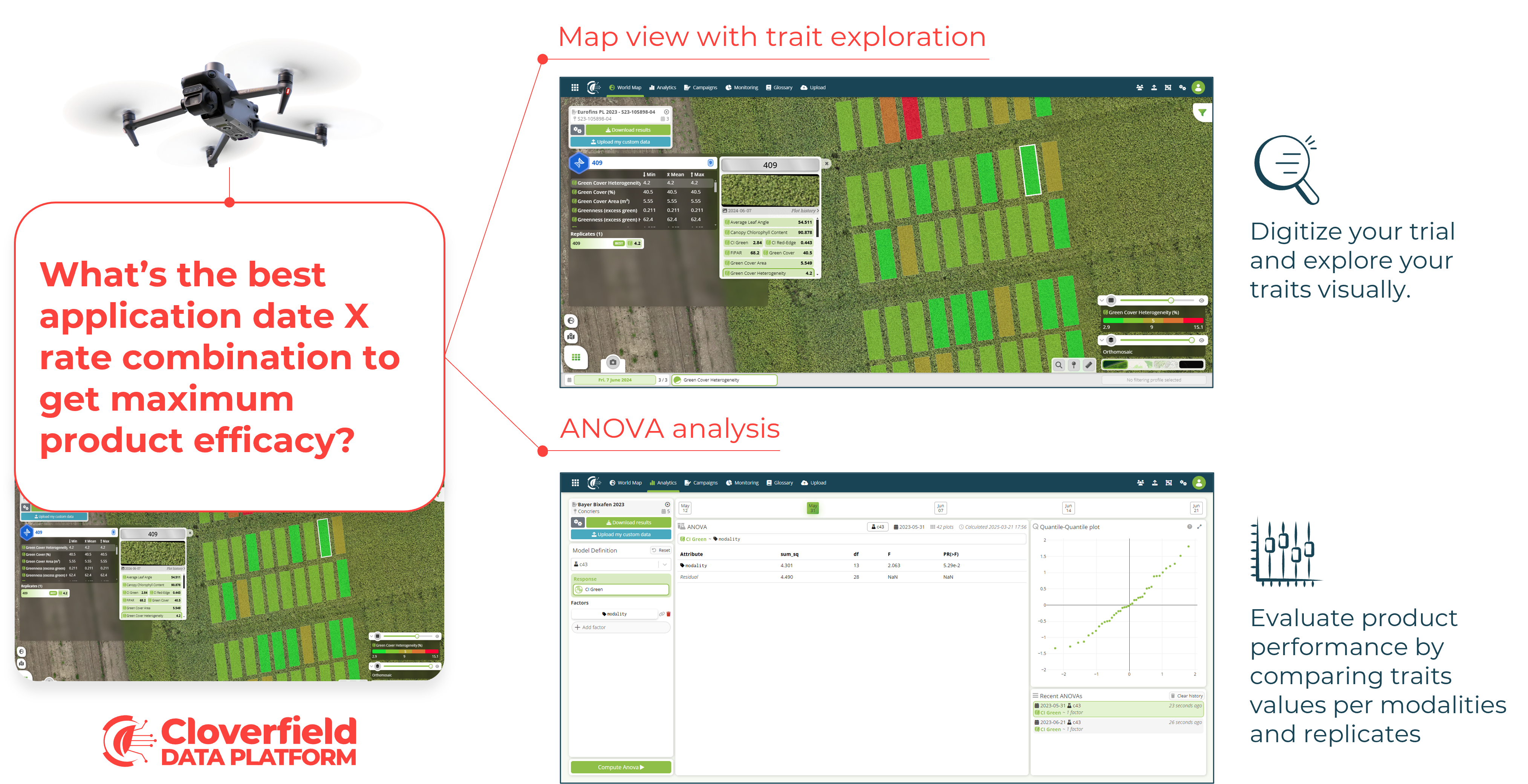
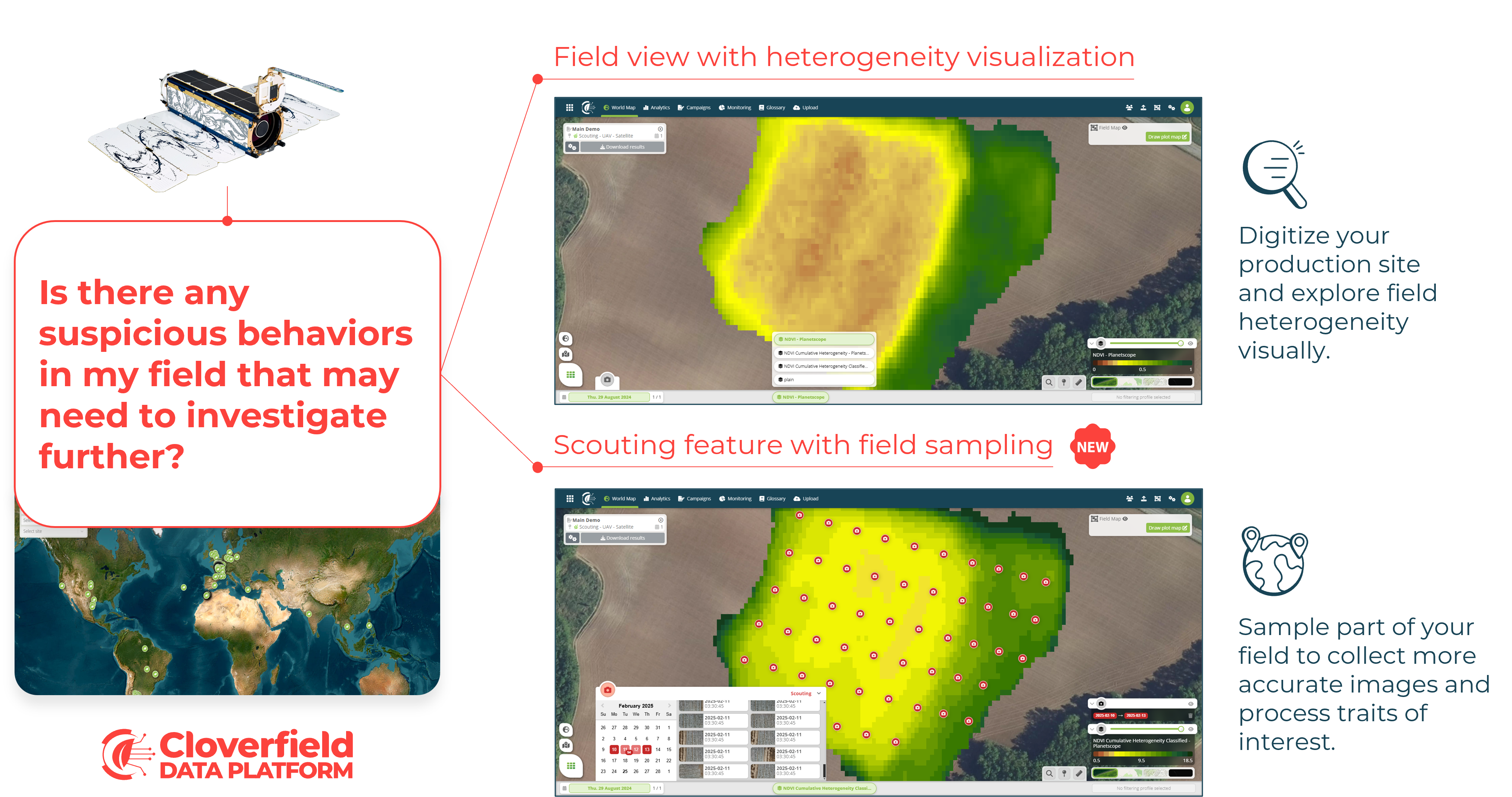
Decision-making data platform: with Cloverfield, Hiphen’s homegrown data platform, we can provide you not only with a frictionless trait extraction experience but also with a powerful and intuitive set of digital tools to inspect your plots and help make decisions on which genetic material to advance or which product modality to eliminate. Features like the image query, the genotype analyzer, the PCA analysis, the ANOVA analysis, the advanced trait filtering and the plot rating tool all help you centralize, standardize and analyze what’s going on in your research plots.
The integration of digital phenotyping into agricultural programs offers several significant advantages:
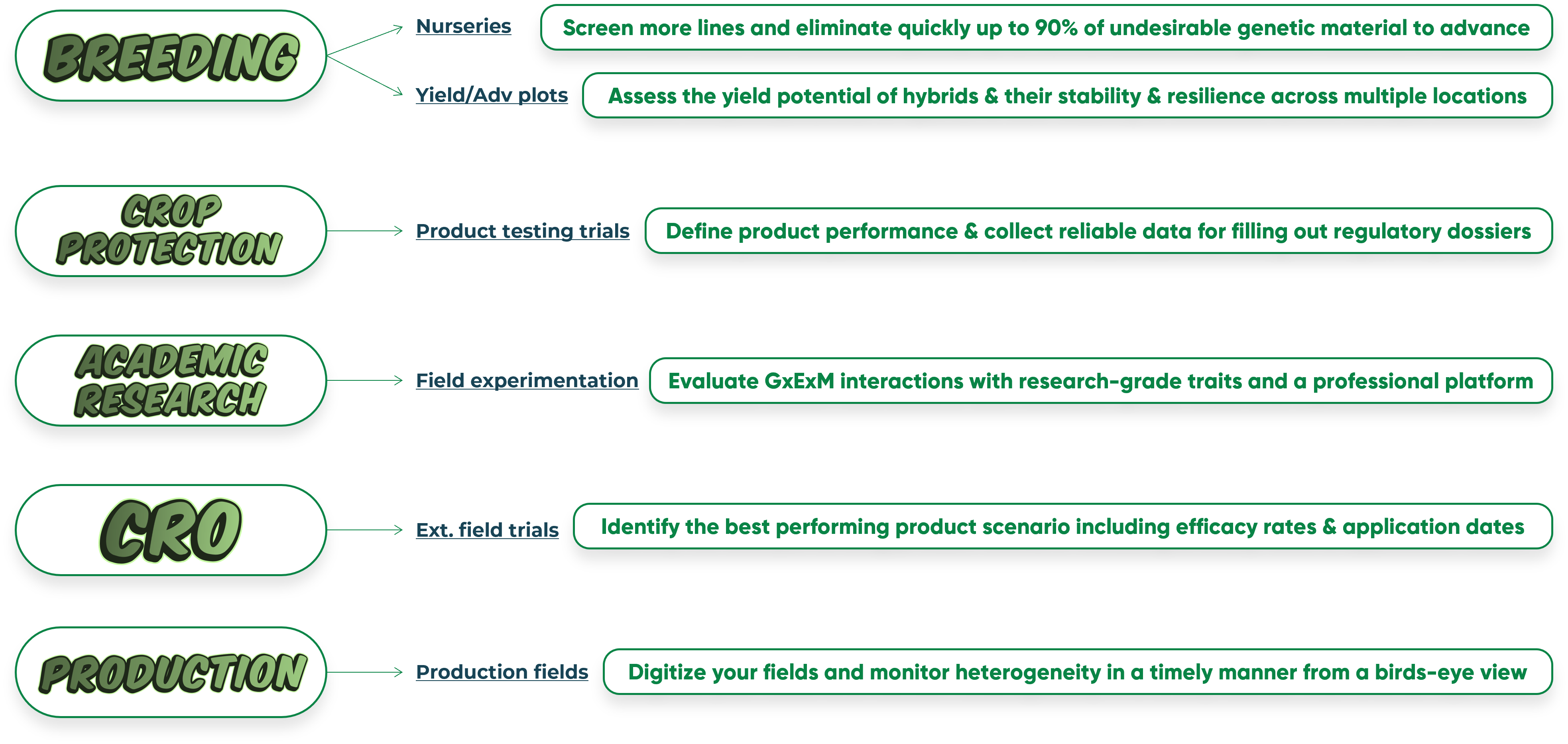
Digital Phenotyping Use Case for Plant Breeders
Digital Phenotyping Use Case for Crop Protection & CROs
Digital Phenotyping Use Case for Production Monitoring
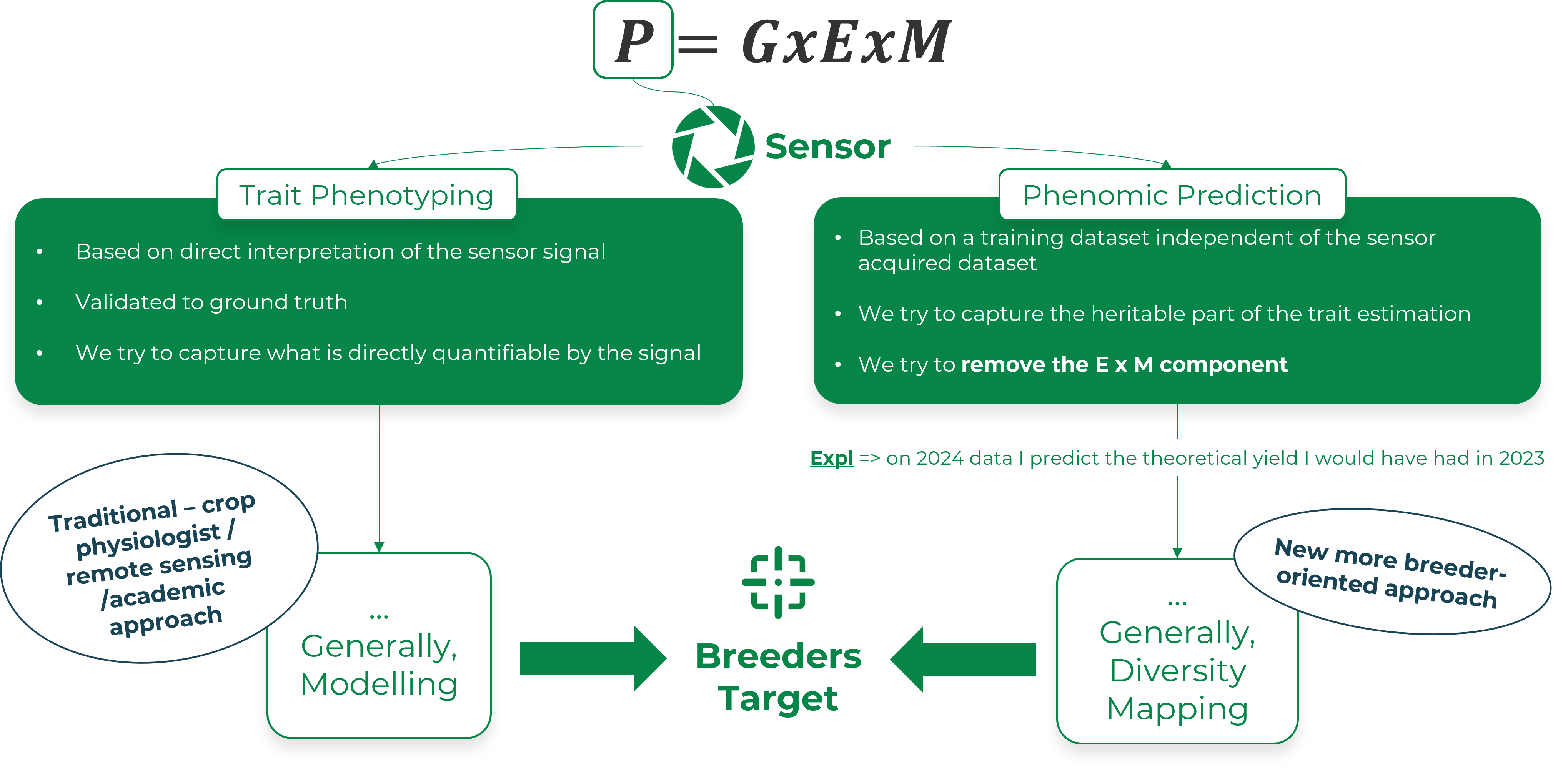
The continuous evolution of digital phenotyping technologies promises to further revolutionize agriculture. With companies like Hiphen leading the charge, the integration of artificial intelligence and high-throughput phenotyping is set to enhance precision agriculture, plant breeding and agricultural product development efforts especially within the realm of predictive breeding and phenomic predictions where a lot of papers are now proving that plant traits can be used as input to predict the characteristics of future hybrids or crosses. Breeding cycles and product development pipelines could then be streamlined and achieved faster and more efficiently than ever.
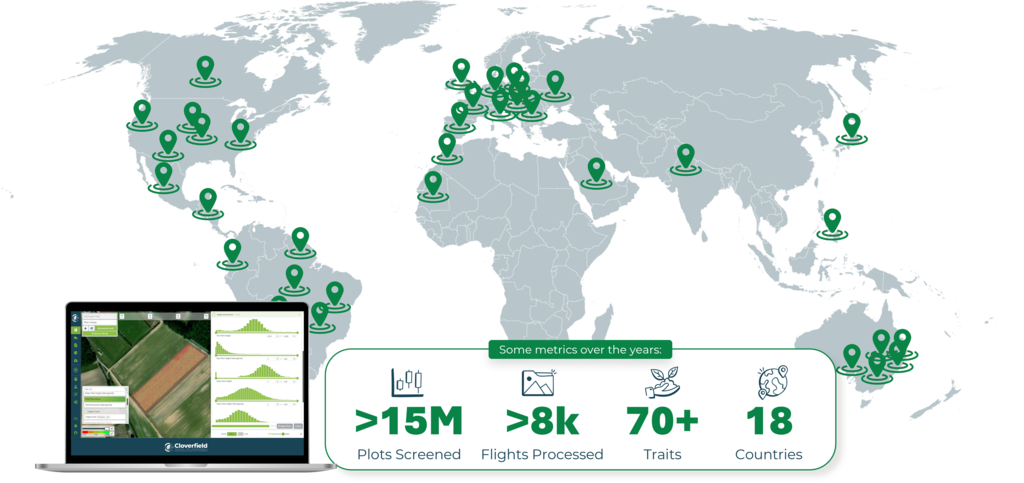
Digital plant phenotyping stands at the forefront of agricultural innovation, offering tools that drive efficiency, sustainability, and productivity. Hiphen strong of his 10+ years’ experience in digital phenotyping on an extensive list of use case position itself as a key player in that space and can help crop researchers to achieve their research ambitions globally.
Ready to transform your crop research? Book a meeting with one of our experts today to discover how Literal can make your life easier, enhance your research, and provide the meaningful data you need to keep advancing your breeding programs and agricultural innovations. Don’t miss the chance to see Literal in action—schedule your demo now or visit our product pages and take the first step toward more efficient, precise, and impactful crop research.
In the rapidly evolving field of agricultural research, high-throughput plant phenotyping stands out as a critical component for advancing plant breeding by optimizing breeding schemes and by improving the desirable trait heritability & genetic gain of your field trials.
Our latest paper delves into the transformative potential of Real-Time Kinematic (RTK) technology, specifically in the realm of drone acquisitions, to elevate the precision and efficiency of phenotypic data collection and processing.
This comprehensive guide provides a meticulous "recipe for success," offering a detailed checklist to ensure RTK-precision in drone operations. We explore the manifold benefits of RTK technology, elucidating its operational mechanics with both base stations, such as EMLID, and various network solutions like Orpheon, Point One, and SmartNet. The paper walks you through step-by-step procedures, distinguishing between RTK FIX and FLOAT modes, and explains the implications of operating without RTK activation.
Furthermore, we discuss advanced options like Post-Processing Kinematic (PPK) to push the boundaries of precision even further. Whether you are a researcher, agronomist, or technology enthusiast, this paper equips you with the knowledge to harness RTK technology for groundbreaking advancements in plant phenotyping.
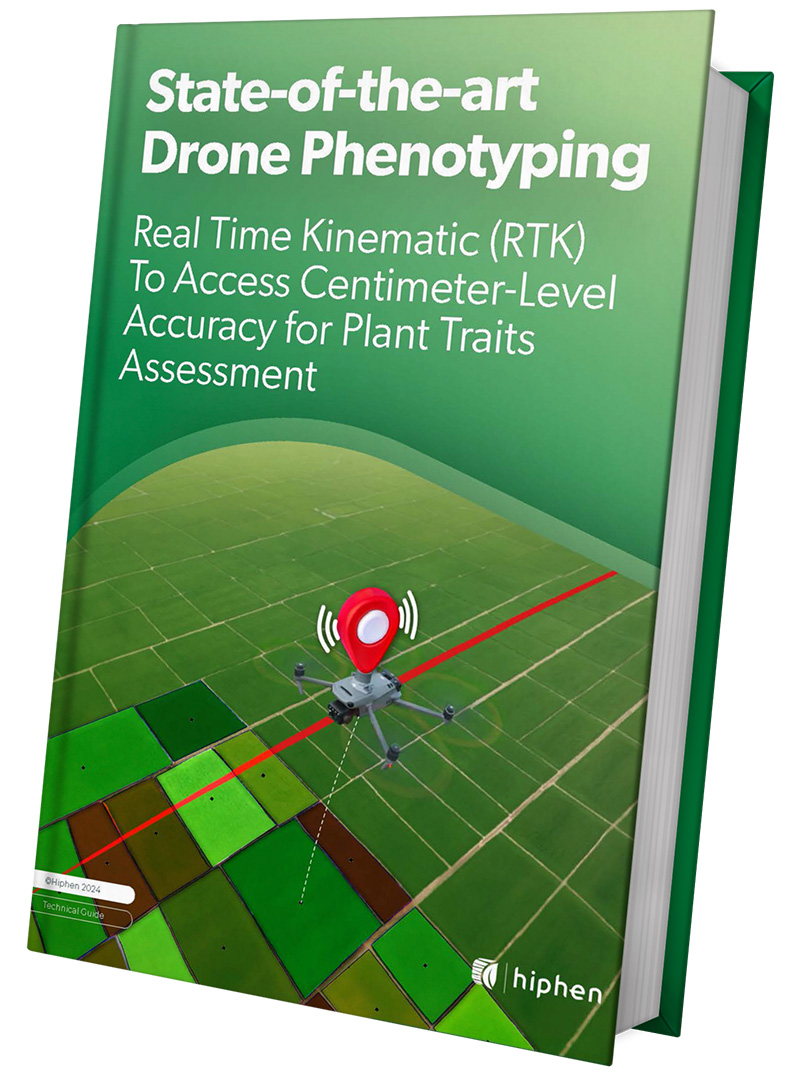
The full content of this technical guide is available as a downloadable PDF: https://hiphen-rtk-white-paper-2024.grwebsite.fr/
Welcome to our comprehensive technical guide on plant height trait assessment, a crucial aspect in unlocking plant biomass estimations to speed up breeding cycles. Within these pages, you'll discover the recipe for success in assessing plant height traits, essential for informed decision-making in breeding programs. We delve into the significance of Ground Control Points (GCPs) and why they are pivotal in ensuring accurate and reliable data collection, essential for robust analyses and interpretation.
Drawing from real-world experiences, this guide presents compelling use cases that showcase the practical application of plant height assessments in various agricultural contexts. Moreover, gain invaluable insights from expert agronomists who offer nuanced perspectives and practical advice honed through years of experience in the field.
In addition to presenting established methodologies, we explore alternative approaches and options for those looking to further optimize their plant height trait assessment processes. Whether you're a seasoned professional seeking to refine your techniques or a newcomer eager to grasp the fundamentals, this guide equips you with the knowledge and tools necessary to elevate your breeding programs to new heights.
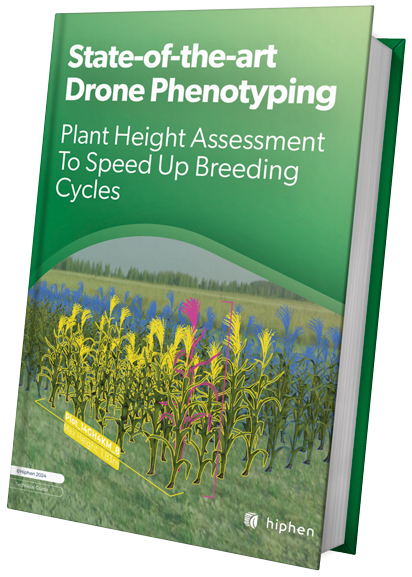
The full content of this technical guide is available as a downloadable PDF: https://white-paper-hiphen-plant-height.grwebsite.fr/

SIMONE will identify, deliver, and evaluate innovations that involve technical, environmental, and economic dimensions. By fostering cooperation among diverse actors, SIMONE seeks to enhance rural linkages and bolster agricultural sustainability across North-West Europe.
Total project budget: €5.4 million Financial support from Interreg NWE: €2.8 million
Arvalis (FR), Inagro (BE), Hiphen (FR), MTU (IE), Agroscope (CH), VIVES (BE), VanDenBorne (NL), CRA-W (BE), SPNA (NL), ABC (FR) and BIONALES (DE).
View the website

Advancements in plant phenotyping have brought about a remarkable transformation in the way we study and comprehend plant growth, development, and their responses to environmental influences.
With the rapid evolution of web technologies, such as cloud computing, data analytics, and real-time monitoring, Hiphen has harnessed these tools to revolutionize plant phenotyping endeavors with digital technology.
In this blog post, we will explore the significant benefits of utilizing web technologies and how they empower researchers and scientists in their plant phenotyping efforts.
Web technologies have opened exciting new possibilities in understanding plant growth and development. By integrating web-based applications with sensor data, researchers can continuously track key phenotypic traits such as plant height, leaf area, and chlorophyll content in real-time. This level of monitoring enables timely observations, early anomaly detection, and the ability to make necessary adjustments to experimental conditions, leading to more accurate and insightful findings.
One of the most impactful advantages of web technologies in plant phenotyping is the accessibility of data and collaboration opportunities it offers. Through web-based platforms, researchers can access their plant phenotyping data from anywhere with an internet connection. This fosters seamless collaboration among colleagues, allowing for easy sharing of data, methodologies, and discoveries. The ability to collaborate remotely accelerates scientific progress and promotes knowledge exchange within the scientific community.
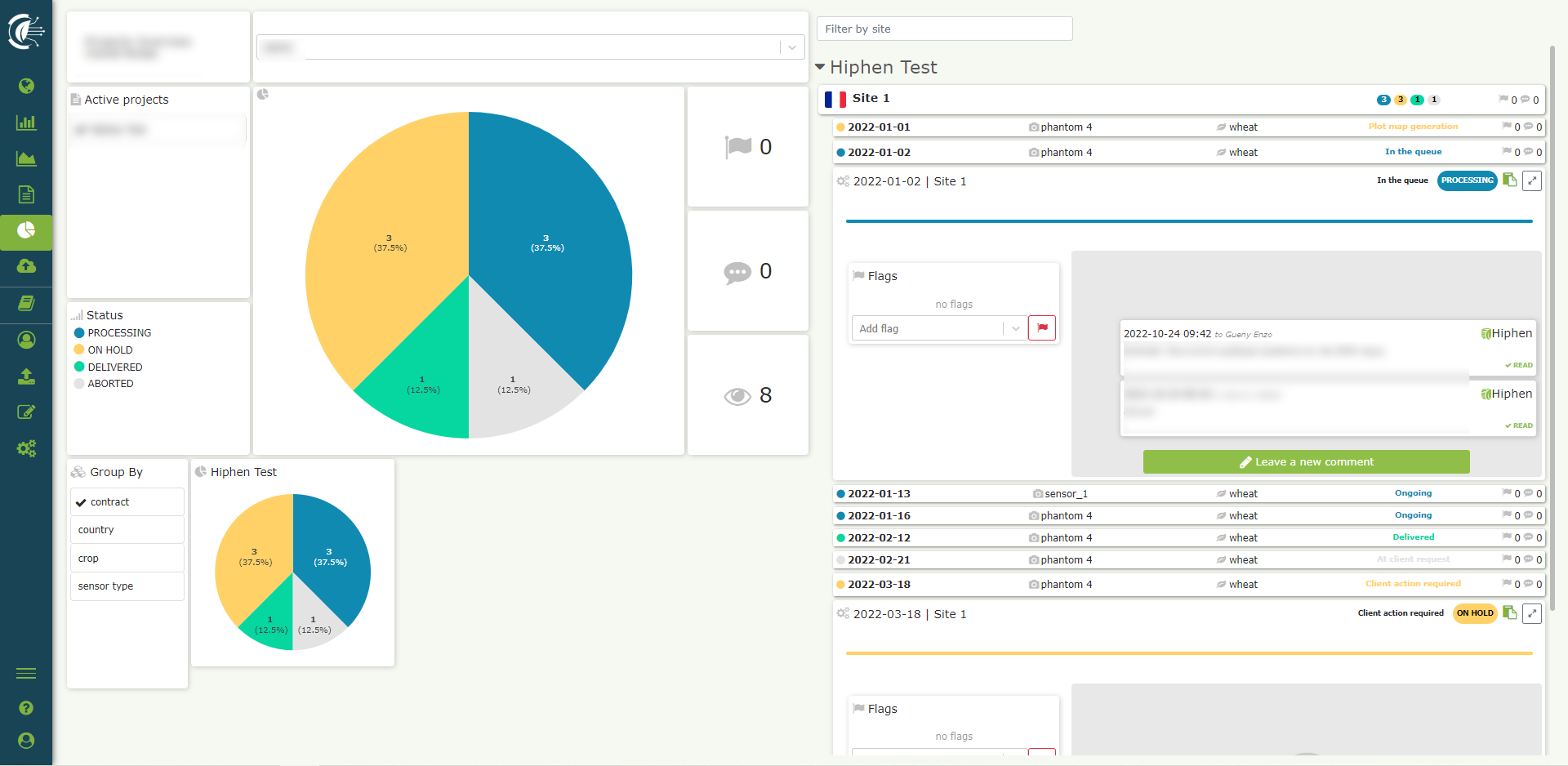
Monitoring Tab in Hiphen's Cloverfield™ That Enable Optimal Team Collaboration
The sheer volume of data generated in plant phenotyping experiments necessitates scalable solutions. Web technologies, such as cloud infrastructure and web-based databases, provide the necessary capacity to handle large datasets efficiently. Researchers can store, process, and retrieve plant phenotyping data with ease, ensuring valuable information is readily available for analysis. Scalability also allows researchers to scale up their experiments, accommodating more plants, treatments, and replications, leading to more robust and reliable results.
Web technologies empower researchers to visualize plant phenotypic data in innovative and interactive ways. Web-based applications enable the development of visually appealing and informative data visualizations, facilitating the interpretation and communication of research findings. Interactive interfaces allow researchers to explore data, zoom in on specific time points, and extract valuable insights, thereby enhancing their understanding of plant phenotypic traits and effectively communicating their discoveries to a broader audience.
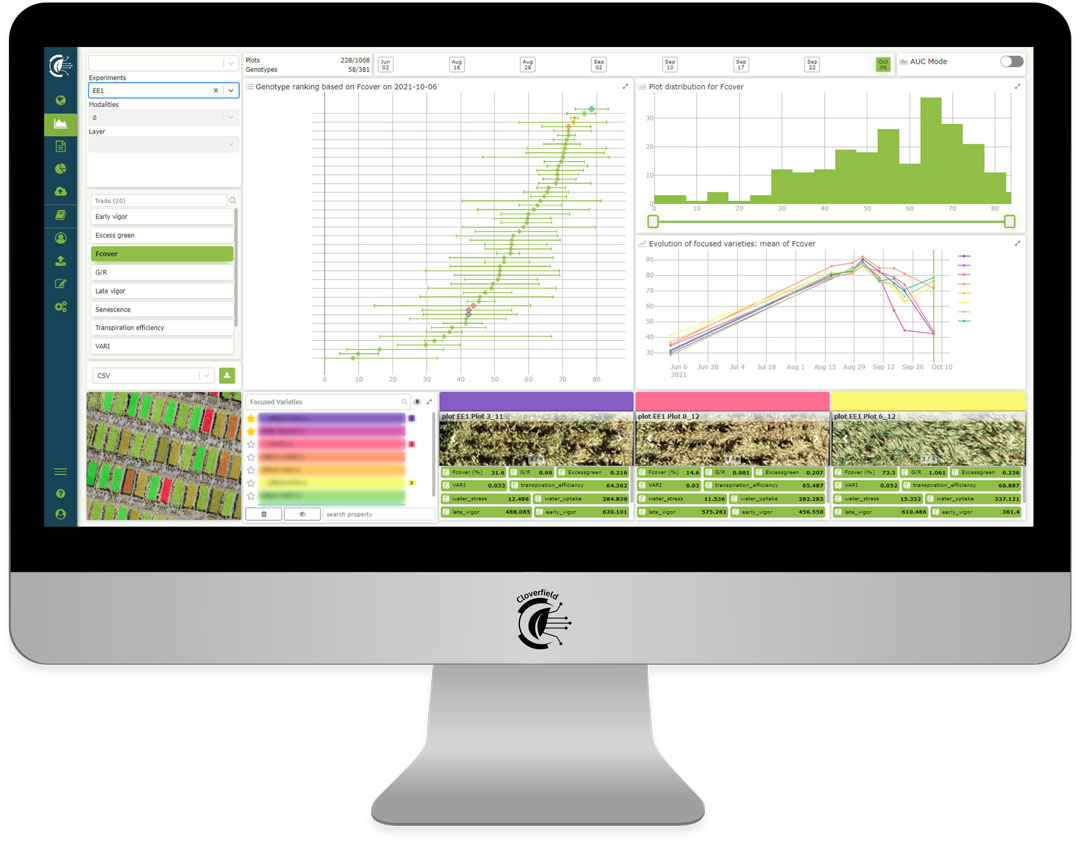
View of Hiphen's Cloverfield™ Data Platform.
Efficiency is paramount in plant phenotyping research, and web technologies offer automation capabilities that streamline workflows. Automated data collection systems integrated with web applications eliminate the need for manual data entry and recording, reducing human errors and saving time. Additionally, web-based tools can automate data analysis and reporting processes, enabling researchers to focus on data interpretation, hypothesis testing, and driving further research advancements.
The integration of web technologies with other cutting-edge technologies amplifies the capabilities of plant phenotyping research. By combining web technologies with remote sensing, image analysis, and machine learning, researchers can unlock new insights and gain a deeper understanding of plant phenotypic traits. This integration allows for the utilization of diverse data sources, advanced analytical techniques, and the development of predictive models for plant growth and responses, ultimately enhancing decision-making in agriculture and breeding applications.
In conclusion, the power of web technologies in advanced plant phenotyping cannot be overstated. The accessibility, real-time monitoring, scalability, advanced visualization, automation, and integration capabilities offered by web technologies empower researchers to make groundbreaking strides in their research. By embracing these cutting-edge tools, researchers can drive innovation, advance scientific understanding, and contribute significantly to sustainable agriculture. Embrace the power of web technologies and revolutionize your plant phenotyping research today.
Grab a time from one of our experts' Calendar below to discover more.
Sincerely,
Your Hiphen Team.

As agriculture continues to embrace digital transformation, the advent of data-driven technologies has ushered in a new era of precision farming and sustainable practices. At the heart of this transformation lies the Application Programming Interface (API), a set of functions and protocols that enables seamless data exchange and communication between applications, operating systems, and web servers.
In the realm of data-driven agriculture, APIs play a pivotal role in empowering farmers, researchers, and agribusinesses to harness the full potential of the data they and third-parties are collecting.
In this blog post, we will delve into the numerous benefits of APIs in the agriculture realm, with a focus on the integration of the Cloverfield application and how it leads to automation, efficiency, and secure data exchange.
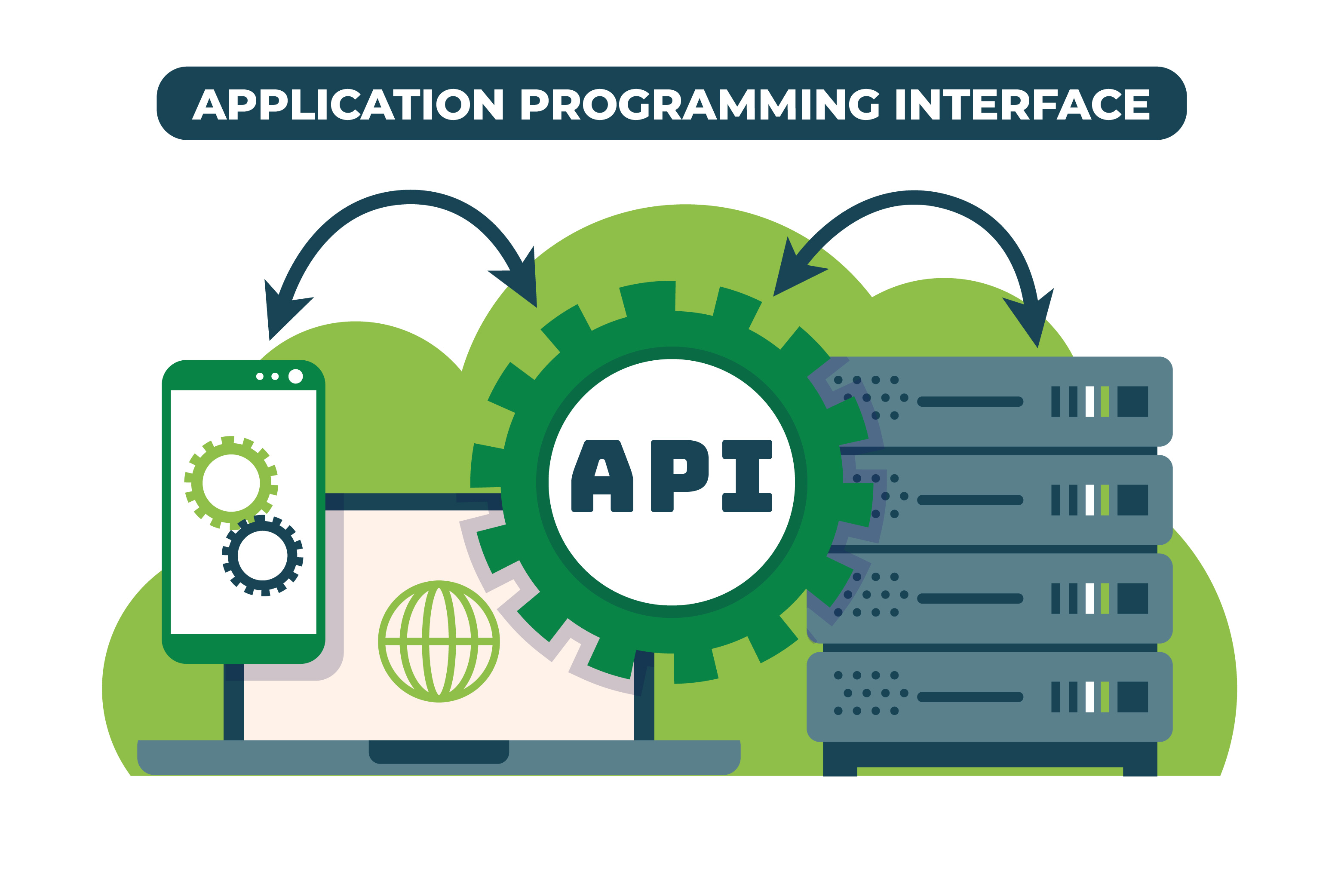
An API connects one service to another to share and exchange information automatically and securely.
The agriculture sector generates vast amounts of data from diverse sources, including weather stations, soil sensors, drones, and satellite imagery. API-driven integration facilitates the seamless exchange of this data, allowing stakeholders to access and combine information from different platforms. By providing a unified view of the data, APIs empower decision-makers to gain valuable insights and make informed choices to boost plant research, crop management and resource optimization.
In the context of the Cloverfield application, APIs enable the automation of tasks that once required human intervention. By integrating Cloverfield with other applications through APIs, researchers can effortlessly collect and analyze data without manual effort, saving valuable time and resources to focus on what matters the most.
Precision agriculture is at the forefront of modern agricultural practices, and APIs are instrumental in its success. These interfaces enable client applications to securely communicate with Cloverfield, exchanging datasets and retrieving valuable results from the processing of plant assessments. Through APIs, researchers, product developers and producers gain access to real-time and historical data, such as weather forecasts, soil health reports, and crop performance metrics.
Armed with this data-driven knowledge, researchers can implement accurate decision-making processes. They can optimize breeding cycles, trial quality assessment, product performance evaluation, harvest quality and plant stress assessments, all leading to increased crop yields and improved resource efficiency that help shaping the agriculture of tomorrow.
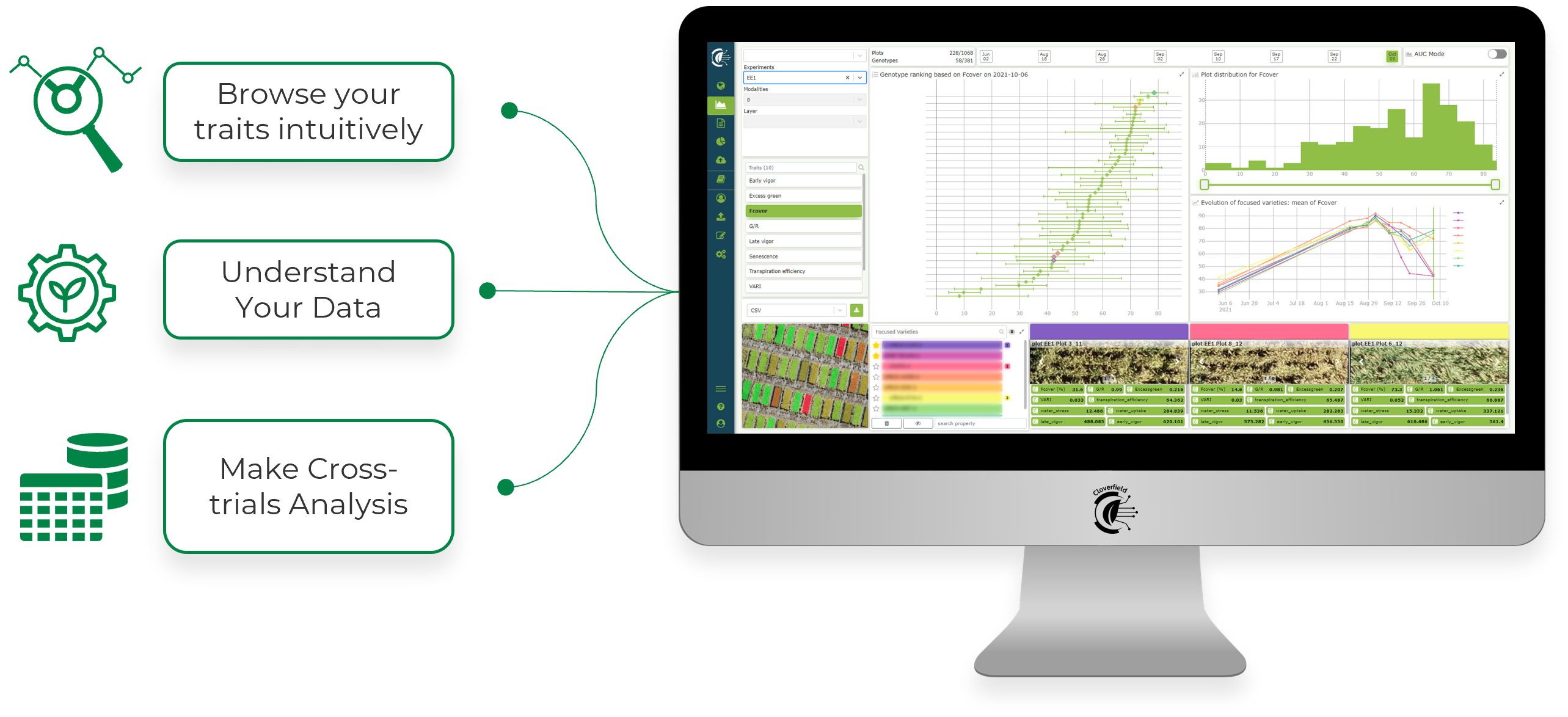
Cloverfield™ Data Platform is using APIs to collect and share information.
Data security is paramount in any industry, especially agriculture, were sensitive information impacts food production and supply chain management. In the Hiphen context, where APIs facilitate communication between client applications and the Cloverfield data platofmr, data exchange is conducted securely.
APIs offer robust authentication and encryption mechanisms, ensuring that data is transmitted safely, and only authorized users can access it. This secure environment fosters collaboration among different stakeholders, such as farmers, researchers, and agribusinesses, leading to knowledge-sharing and innovation within the agricultural community.
APIs have emerged as indispensable tools in the data-driven agriculture realm, transforming traditional agricultural practices into efficient, data-powered operations. Through seamless data integration and connectivity, APIs allow stakeholders to harness the full potential of agricultural data, paving the way for deeper research and improved seed breeding based on phenotypic data assessment.
The integration of the Cloverfield application through APIs brings automation, efficiency, and secure data exchange to the forefront of agriculture. However, it is essential to acknowledge that setting up API integration may require the expertise of an IT team. Nonetheless, the benefits of enhanced decision-making, increased efficiency, and collaboration make it a worthwhile investment.
As the agriculture industry continues to embrace data-driven technologies, APIs will play an even more significant role in shaping a greener, more sustainable future for global agriculture. By leveraging APIs effectively, researchers and agribusinesses can optimize resources and drive innovation in the pursuit of food security and a thriving agricultural sector.
Sincerely,
Your Hiphen Team.
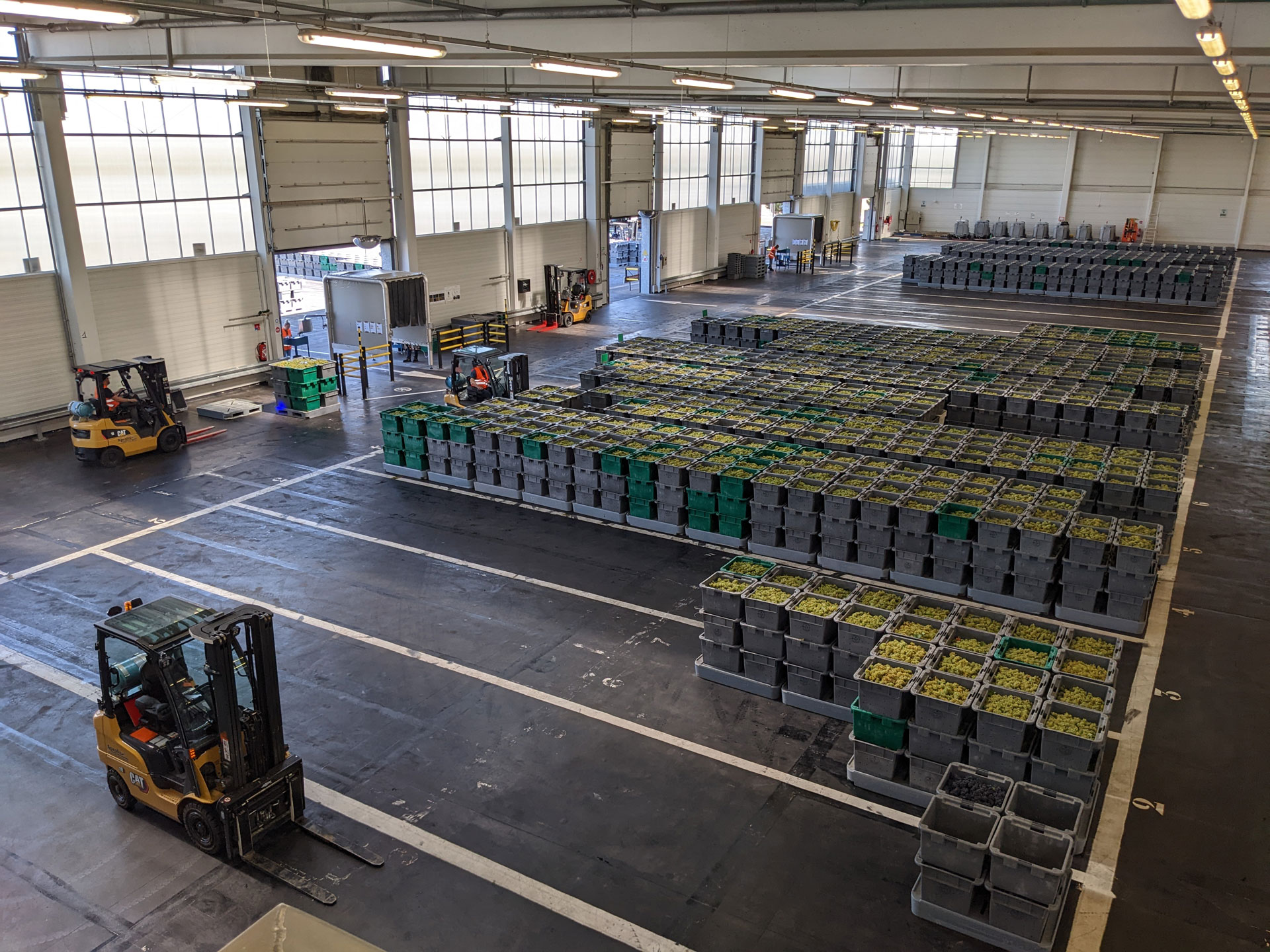
A grape pressing center where the real-time post-harvest quality assessment take place.
The Champagne region of France is known for its exquisite sparkling wine, and the grape harvest season is a crucial time for champagne producers. As the climate continues to change, grape growers and winemakers face new challenges every year. To adapt and thrive in this dynamic environment, legacy champagne house Moët & Chandon has partnered with Hiphen, a cutting-edge imaging solutions provider, to revolutionize grape quality assessment at harvest. In this blog post, we will explore the significance of the grape harvest season in Champagne, the pivotal role of environmental factors, and how Hiphen's PhenoStations are making a difference.
For champagne producers, the grape harvest season is the most critical and hectic period of the year. The quality of grapes harvested during this time directly influences the flavor, aroma, and overall quality of the champagne produced. Traditionally, grape harvesting in the Champagne region begins in late August or early September and can extend for several weeks. During this time, vineyard workers meticulously collect grapes, ensuring that the finest fruit is selected for vinification. However, with large vineyards, many providers and a short harvesting time frame, it's a tough job to precisely monitor the quality of every grape that comes into the pressing facilities by human eye.
Climate change is having a profound impact on grape growing and winemaking worldwide, and Champagne is no exception. The region is experiencing more unpredictable weather patterns, including hotter summers and unpredictable rainfall. These changes can lead to various challenges for grape growers, including the risk of diseases and fungi in the vineyards such as Botrytis Cinerea or Acid rot among others*.*
While monitoring and mitigating these environmental factors is helpful to make yield estimations early in the season, assessing the quality of the harvested fruits is crucial to ensuring a successful harvest and maintaining the high standards of champagne production. This is where Hiphen's innovative PhenoStation® technology comes into play.
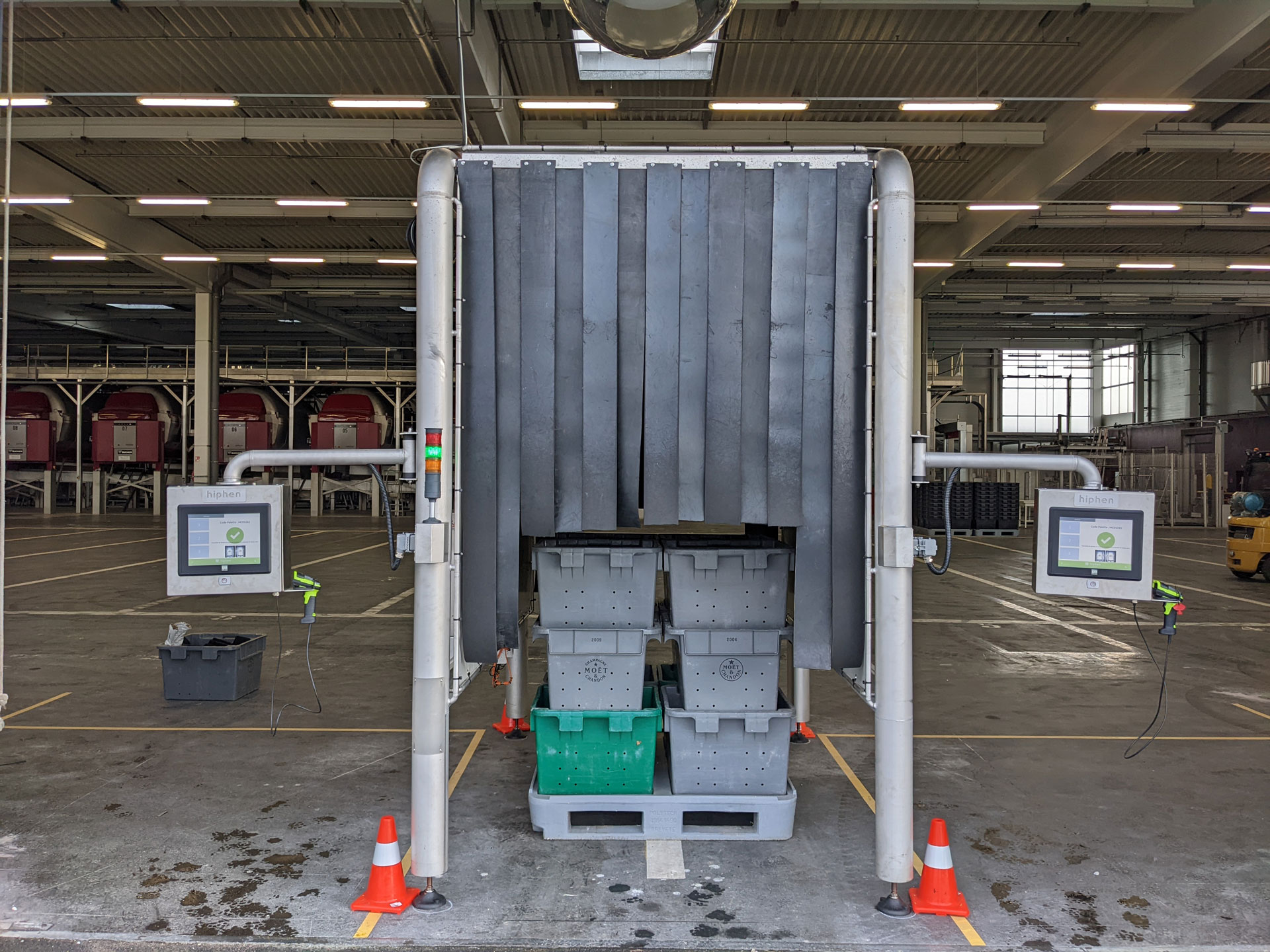
A closer look at Hiphen's PhenoStation® tailor-made for Moët & Chandon pressing centers.
Hiphen, an agricultural imaging solutions company at the forefront of innovation, is supporting Moët & Chandon during the grape harvest season by providing real-time grape quality assessments. Their cutting-edge approach involves collecting imaging data to create homogenous grape batches before the vinification process begins. The tailor-made solution integrates seamlessly into the operational workflows, so it doesn't take more time using a PhenoStation® than making more "traditional" grape batching based on eye scoring.
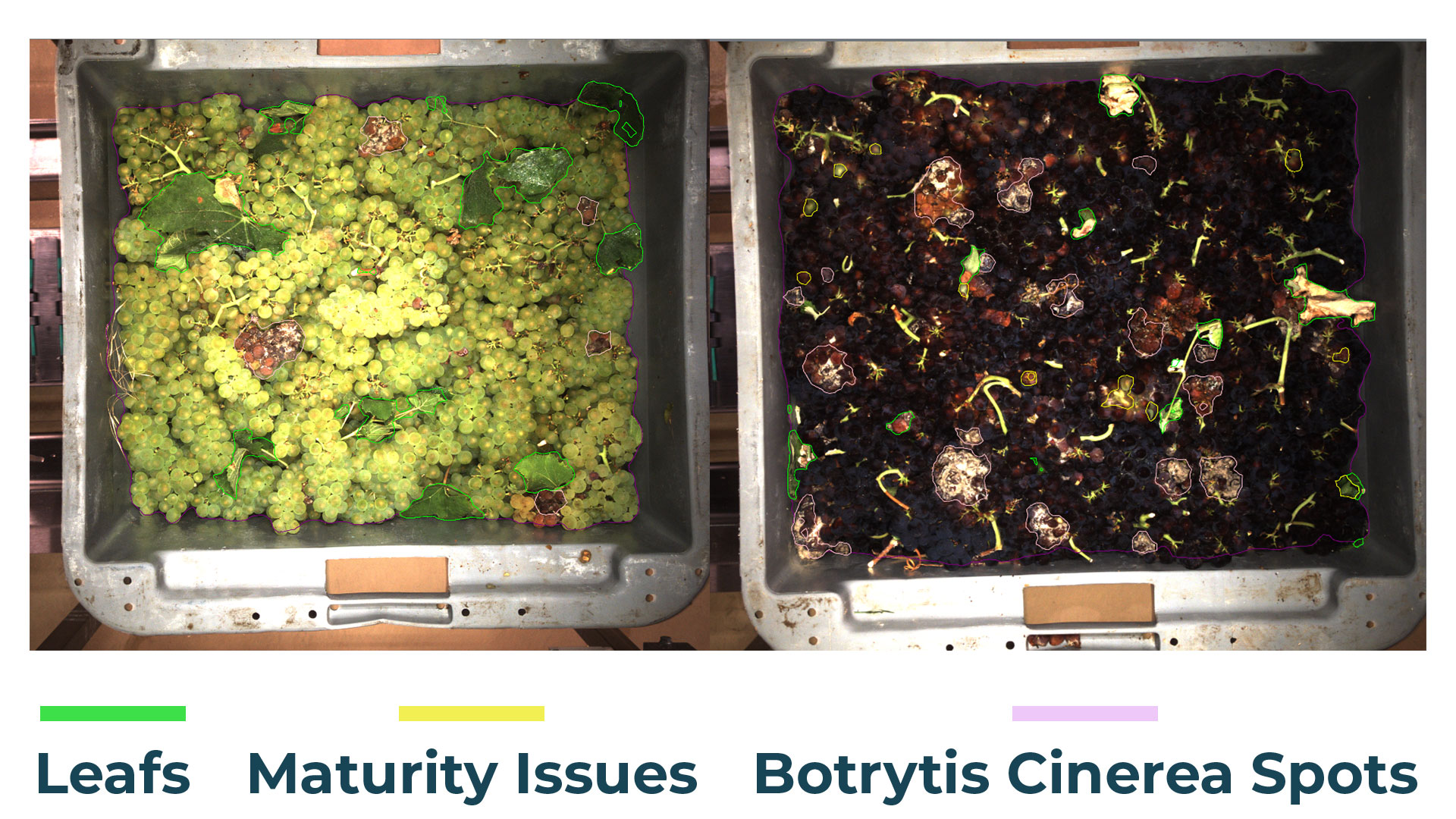
Hiphen's PhenoStation® work tirelessly, monitoring grape crates 24/7 during the entire harvest period. These stations help identify and track potential issues, such as diseases or fungi, but also maturity issues, allowing for proactive and non-destructive measures to be taken. By doing so, they ensure that only the healthiest grapes are used in champagne production, maintaining the exceptional quality that consumers expect from Moët & Chandon products.
Several articles have highlighted the collaboration between Moët & Chandon and Hiphen during this years and previous grape harvest season. Experts and medias have commended the partnership for its forward-thinking approach to post-harvest quality assessment through imaging solutions:
📺 French TV report
🎬 Sparkling Wine Forum 2023
If you're intrigued by the intersection of technology and winemaking, join us at VITeff (The biggest European Sparkling Wine Technology Exhibition) to discover more about Hiphen's PhenoStation® and its impact on post-harvest quality assessment. Our experts will be on hand to answer your questions and provide insights into how the system adapts into your operational workflow.
Find more information about VITeff at: https://www.viteff.com/
For a firsthand look at how Hiphen's technology is transforming the grape harvest season in Champagne, watch our video. It's available in both French and English, so you can dive deep into the details of this exciting collaboration.
🇺🇸 English 🇺🇸
🇫🇷 Français 🇫🇷
To conclude, the grape harvest season in Champagne is a time-honored tradition that is now adapting to meet the challenges posed by climate change and environmental factors from one vintage to another. Thanks to innovative technology like Hiphen's PhenoStation®, champagne producers like Moët & Chandon can adapt and thrive while maintaining the exceptional quality that has made Champagne a symbol of celebration worldwide. This collaboration between tradition and technology is paving the way for a prosperous future for the Champagne region and other wine and sparkling beverages production areas around the globe.
1/ Choose a day 📆 > 2/ Select a time slot at your convenience 🕒 > 3/ Confirm the meeting ✅ > 4/ You're all set 🎉
In today's fast-paced world, the agriculture sector faces numerous challenges, such as feeding a growing population, addressing climate change impacts, and optimizing resource utilization. Fortunately, the integration of Artificial Intelligence (AI) in agriculture has brought about a transformative shift in the industry. AI's potential to enhance efficiency, precision, and productivity has captured the attention of farmers, researchers, and agribusinesses worldwide. However, it is crucial to acknowledge that AI is a tool, and human expertise remains essential to drive its successful implementation. This article explores the revolutionary impact of AI in agriculture and the importance of a human-in-the-loop approach.
AI has emerged as a powerful tool in agtech applications, promising to revolutionize various agricultural practices. By automating tedious tasks, processing large datasets, and recognizing patterns, AI helps make data-driven decisions more efficiently and accurately. From sowing and irrigation to pest management, crop monitoring and harvesting, AI-driven technologies offer a plethora of benefits for farmers and researchers nowadays.
Amid the rapid advancements in AI technology, it is crucial to remember that humans play a central role in driving these tools. Rather than replacing human expertise, AI complements it, providing researchers with valuable insights and recommendations. Agriculture involves diverse cultures, genetics, and environments, leading to what experts' term "vintage effects." These unique nuances require human knowledge and expertise to assess effectively.
To harness the true potential of AI in agriculture, it is essential to have mechanisms in place to monitor AI's performance and control model drift, also known as "data drifting" or "concept drifting". This helps ensure an efficient use of AI technology globally, by estimating the robustness and precisions of the model that process images to calculate plant traits. Two significant examples of AI-powered data models in agriculture are:
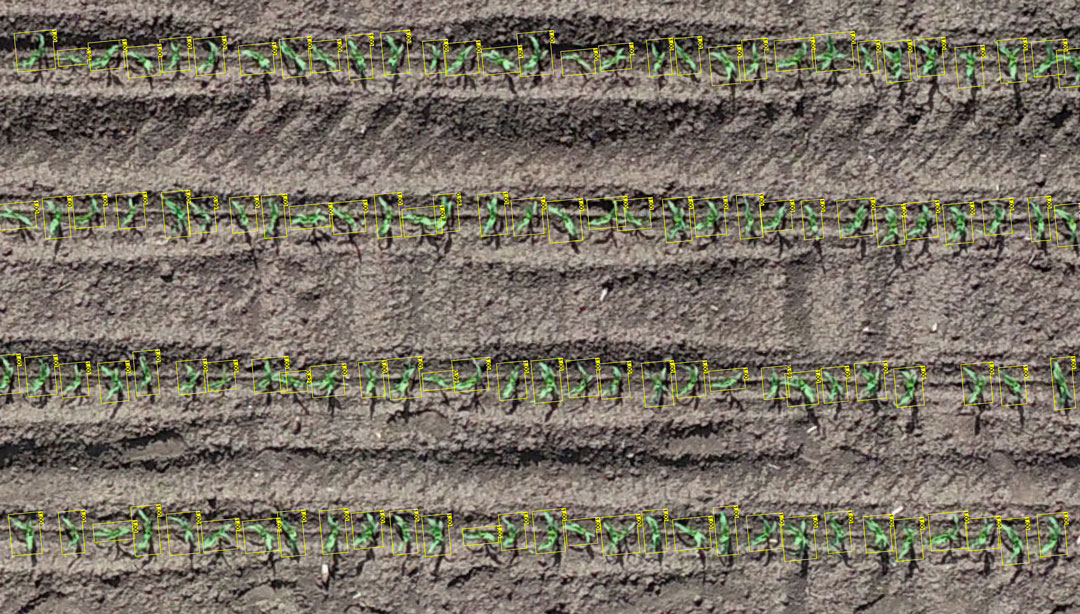
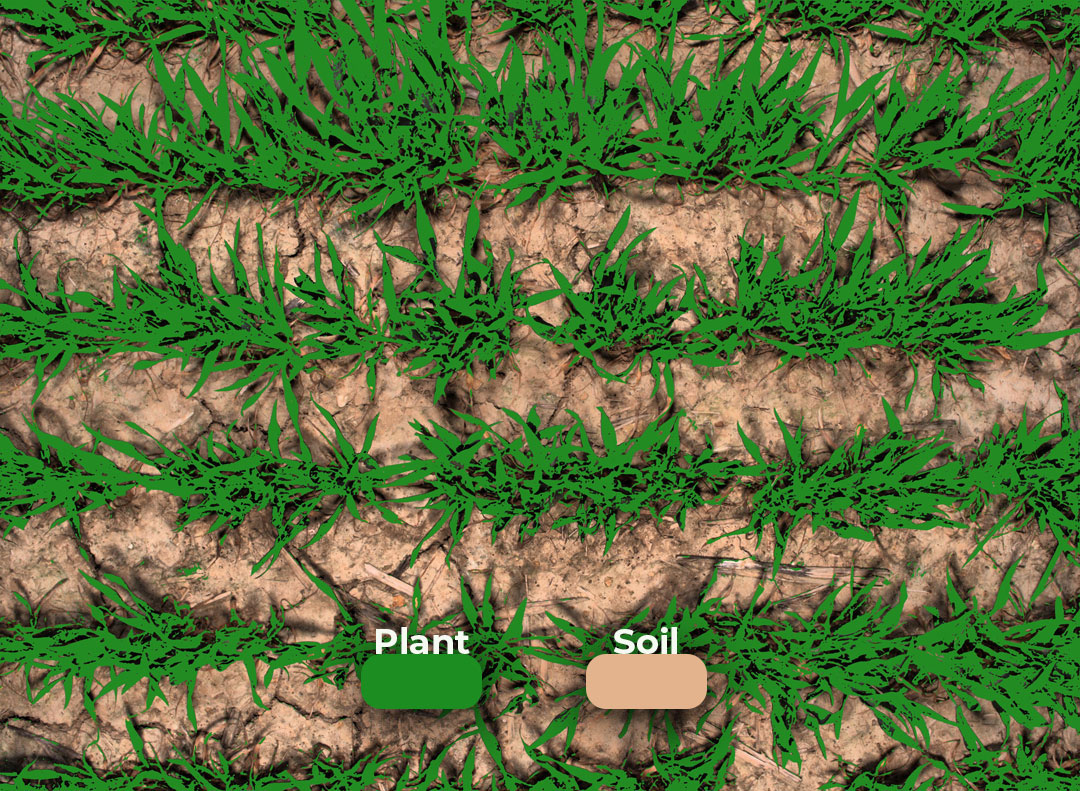
To ensure AI's reliability and robustness, engineers within AgTech companies must develop digital tools that document the evaluation of AI models for each "vintage" scenario. By continuously monitoring and improving these tools, organizations can offer clients cutting-edge solutions that cater to their specific needs and challenges. Below is an illustration of Hiphen's homegrown model drifting dashboard developed specifically for the use of AI in agricultural research applications.
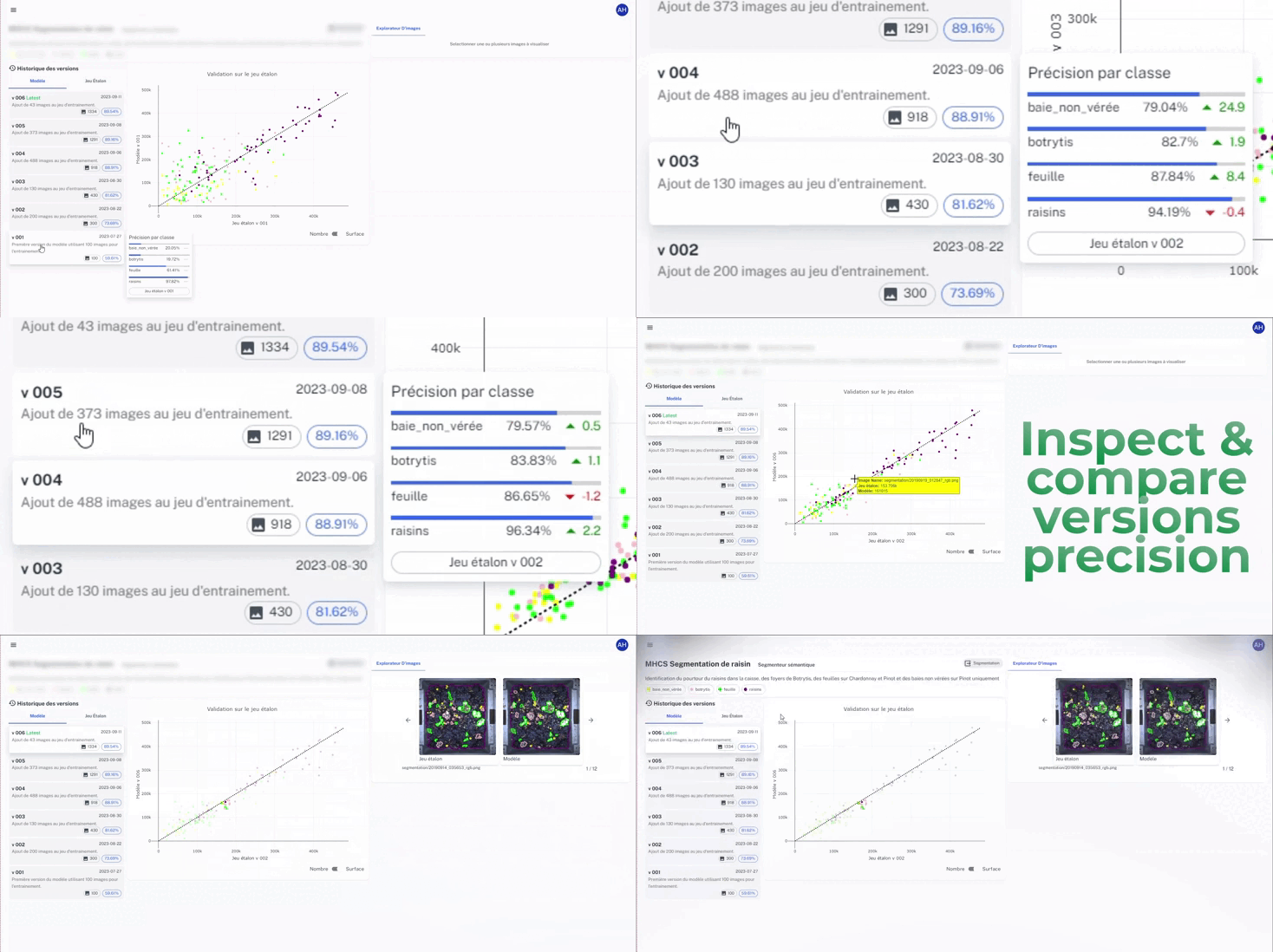
Hiphen has developed a monitoring interface that helps controlling and validating the precision of Deep Learning models through time with a human-in-the-loop approach.
As AI becomes increasingly integral to agriculture, ongoing monitoring and maintenance are critical. Detecting concept drift, adapting to evolving patterns, mitigating bias, ensuring data integrity, and enhancing model governance are essential elements of sustaining optimal AI performance. Investing in these aspects not only builds trust but also ensures ethical and responsible AI implementation.
AI has undoubtedly brought revolutionary changes to the agricultural landscape, promising increased efficiency, precision, and productivity. However, we must remember that AI is a tool that complements human expertise, rather than replacing it. By adopting a human-in-the-loop approach and investing in monitoring and maintenance, we can unleash the full potential of AI in agriculture while ensuring responsible and ethical practices. With the fusion of AI and human ingenuity, the future of agriculture looks promising, capable of addressing global challenges and ensuring sustainable food production for generations to come.
Sincerely,
Your Hiphen Team.
Topic brought to you by Adam SERGHINI – R&D Engineer, and Enzo GUENY – Frontend Developer @Hiphen.
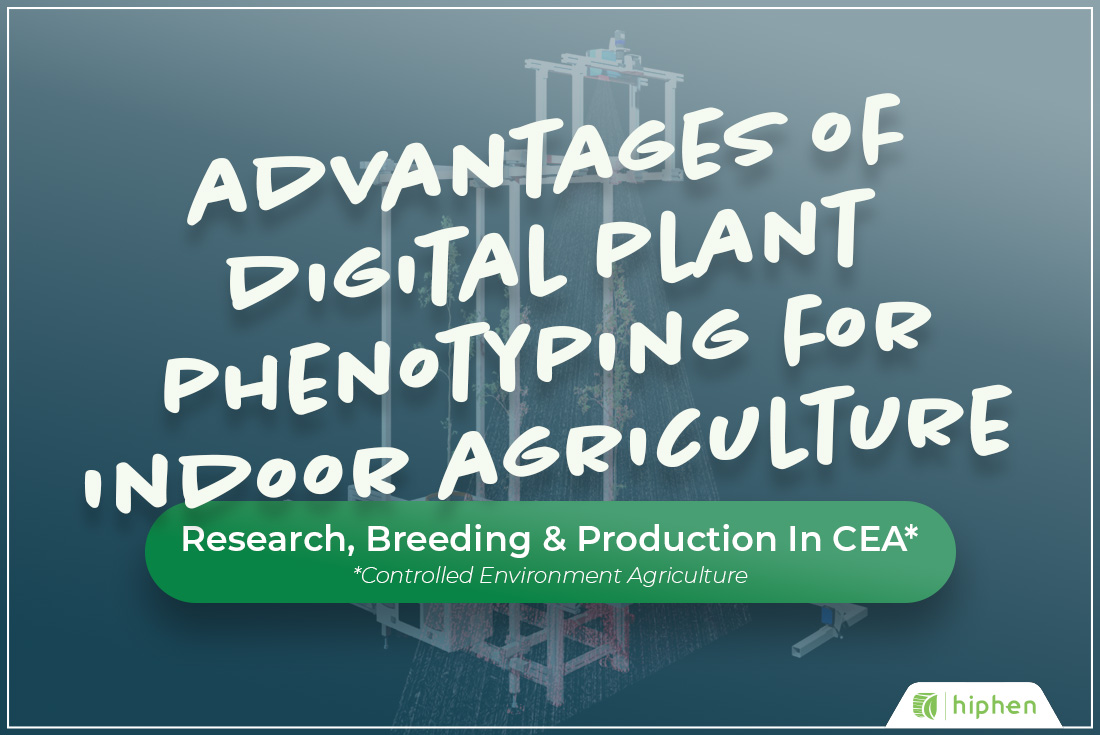
Digital plant phenotyping is revolutionizing the field of agriculture, particularly in greenhouses and vertical farms. These advanced technologies offer numerous advantages for plant researchers, breeders, and producers, enabling them to accelerate research and monitor plant performance and quality by making informed decisions based on plant traits assessment from imagery.
When it comes to plant phenotyping in controlled conditions, like greenhouses or vertical farms, there’s 3 main pillars to it:
So, let's explore these 3 pillars in detail through a client use case highlighting the value of PhenoStation® in such conditions: Phenotyping for drought tolerance research on oak trees in collaboration with INRAE (France).
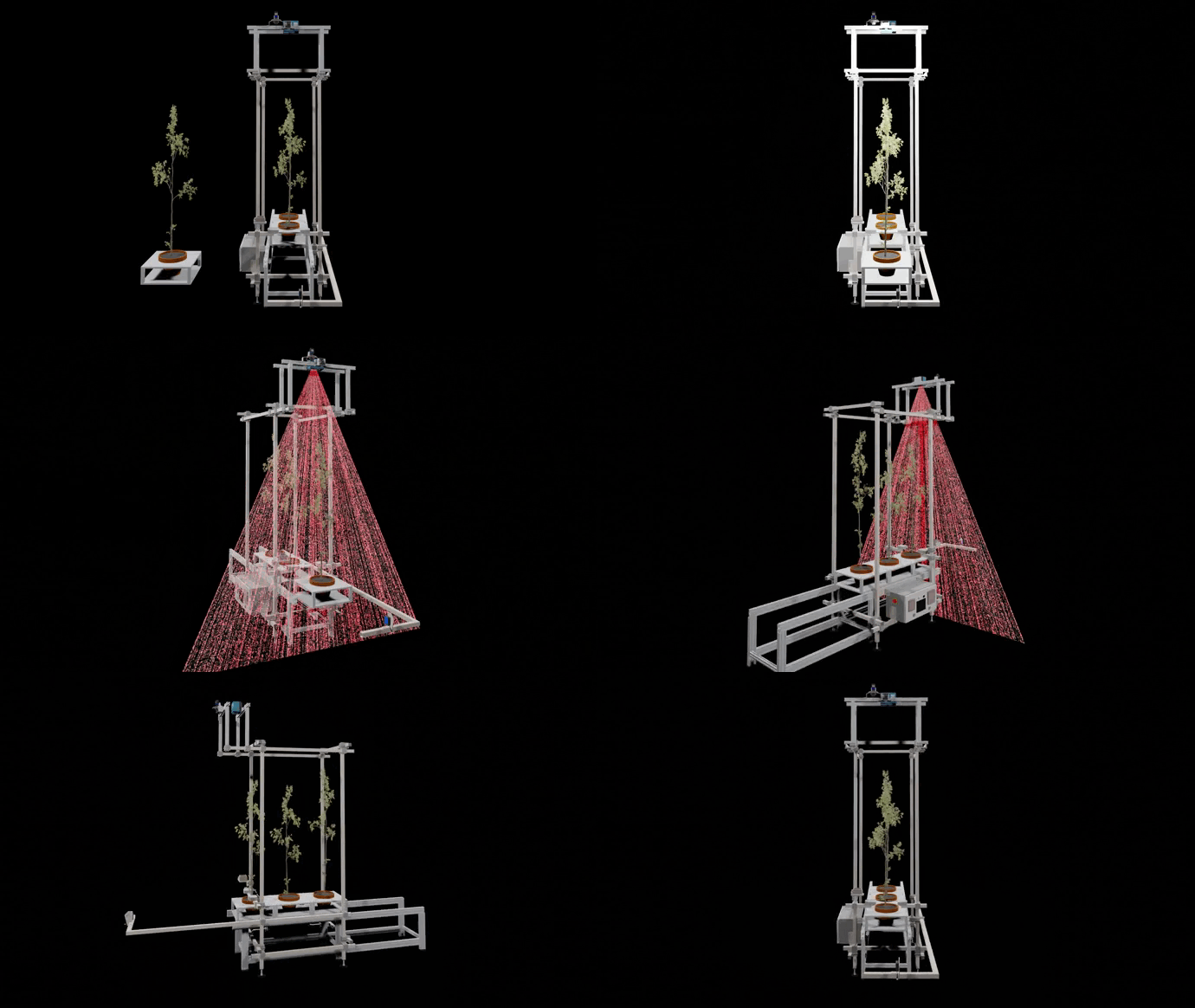
Video clip of the system developed for INRAE to assess oak trees in greenhouses.
Digital phenotyping enables an accurate and automated collection of large datasets. This high-throughput approach accelerates the breeding and selection processes, as breeders and producers can analyze and assess and compare many plants or varieties in a shorter time. The precise and objective measurements provided by digital phenotyping technologies eliminate subjective biases, ensuring reliable data for analysis. Plant height, leaf area, biomass, flowering time, and disease symptoms are just a few examples of traits from our portfolio that can be accurately assessed.
Within INRAE’s project, the goal is to assess tree stress in controlled conditions to select varieties that will resist high temperature variations as these varieties should help maintain European forests density with maximum efficiency.
Thus, the traits of interest were the height, the biovolume, the leaf surface, the leaf temperature to measure stomatal conductance and evapotranspiration rates, and more… Measured on a regular basis (trees are phenotyped every day), these traits are giving us access to the dynamics of the tree development so then we can really understand the evolution of each variety and their resilience to climate change, which is simulated within the greenhouse. The system designed to assess the trees is tailor-made to the greenhouse specs (which was build before the start the digital phenotyping project) and integrate all the components to automate image acquisition and data processing.
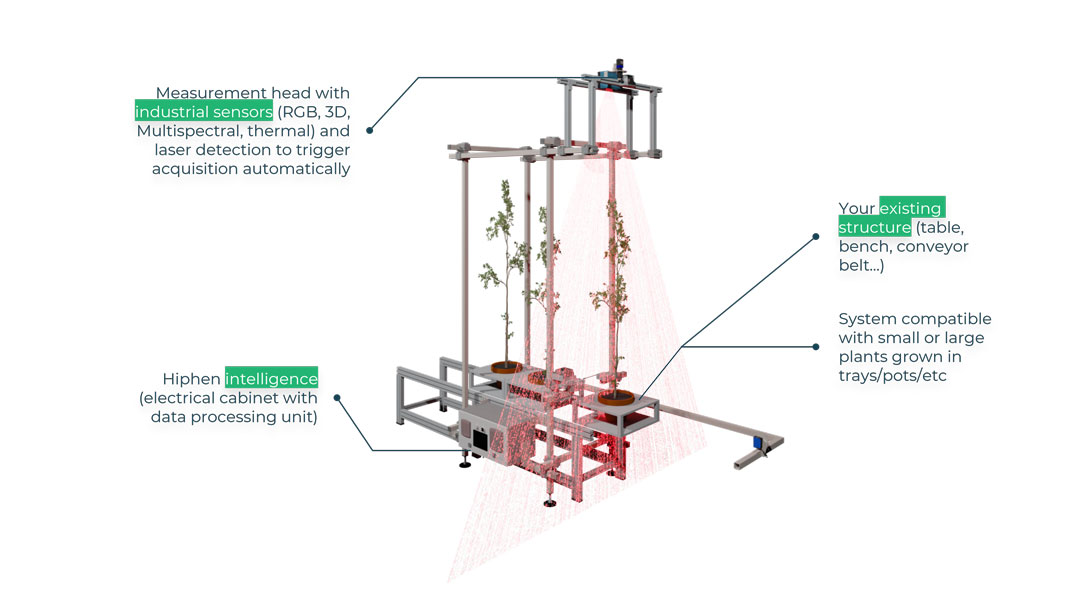
INARE's Project Bespoke System.
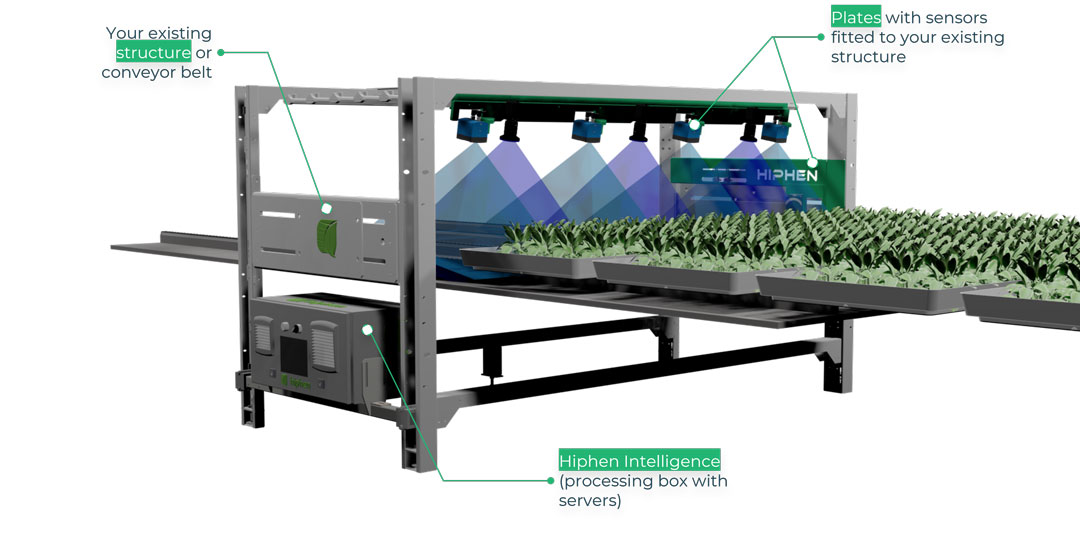
Another PhenoStation® System Configuration (in this case tailored to a vertical farm needs).
The portfolio of sensors that can fit into a PhenoStation® is non-exhaustive, although at Hiphen we tested most equipment types for almost and decade now and we are well-versed at helping you selecting the equipment that will get the job done for your project.
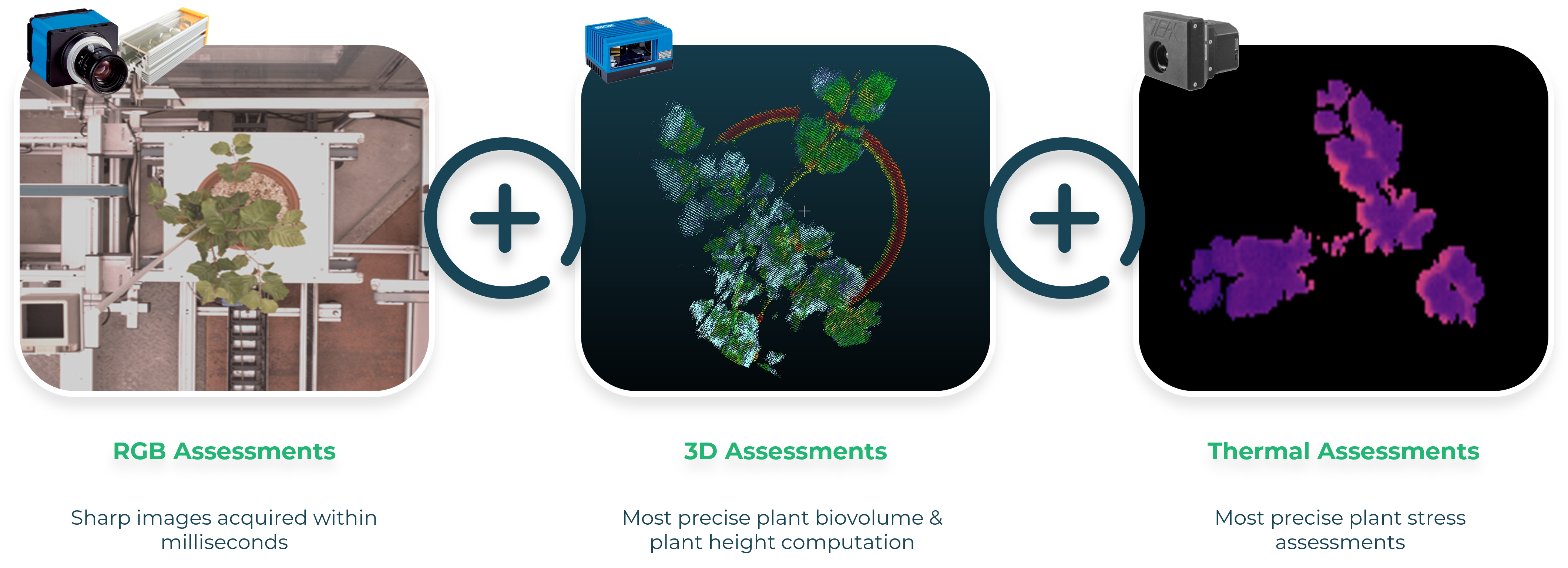
What’s great about being compatible with a large sensor diversity is that we can access everything the human eye can see, and even more. All the industrial equipment that's inside Hiphen's PhenoStations complements each other and gives access to a lot of information, that we turn into decisions to boost your research.
While RGB is the representation of what the human eye can see, 3D sensing equipment puts everything into perspective adding a precious 3rd dimension to the RGB data, and the Thermal sensor let us access the inaccessible to understand deeper plant mechanisms.
The main benefit of using sensors is that all measurements made are non-destructive, so assessments are more repeatable and replicable within the growth cycle. This means breeders can observe plants over time, capturing their dynamic responses to environmental conditions or treatments without damaging them. The ability to make repeatable measurements on the same tree provides valuable insights into growth patterns and trait evolution through time. This non-destructive approach ensures continuous monitoring and evaluation, facilitating a deeper and quicker understanding of plant behavior for advanced research applications such as drought tolerance.
Digital phenotyping technologies often integrate with advanced data analysis techniques and software platforms. This enables breeders and producers to analyze collected data in real-time, identifying patterns, correlations, and trends. Real-time analysis facilitates data-driven decision-making, allowing breeders to select promising varieties or make informed management choices in the greenhouse or vertical farm.
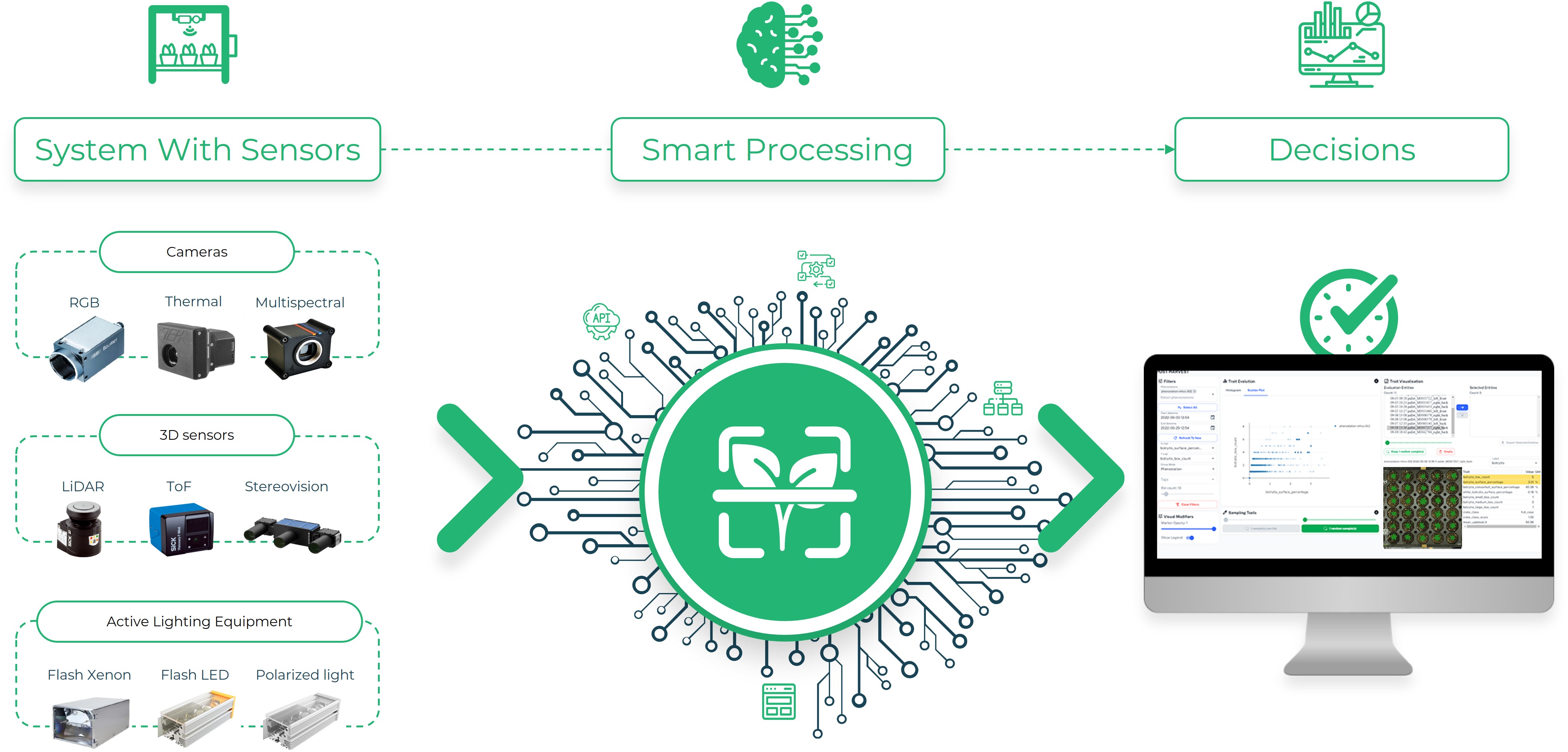
This is made possible thanks to an optimal sensor integration + an on-site data processing unit that is loaded with Hiphen Intelligence. Since acquisition protocols are thoroughly tested and validated, we ensure a high-quality data acquisition that is instantly sent to the processing unit, checked, processed, and then sent over to the data platform for visualization and validation.
By leveraging immediate insights, breeders can optimize resources, identify favorable traits, and streamline their breeding strategies to develop new and improved crop varieties more efficiently.
Greenhouses and vertical farms offer controlled environments, allowing precise manipulation of growth conditions. Digital phenotyping helps accessing quality monitoring and yield prediction by providing insights into plant responses to different environmental conditions. For drought tolerance research for example, the information can be utilized to fine-tune breeding selection with a Phenomic approach and improve overall crop productivity and resource utilization. Researchers, breeders and producers can enhance sustainability, reduce costs, and minimize environmental impact thanks to PhenoStation®.
Sincerely,
Your Hiphen Team
Topic brought to you by Alexandra BÜRGY – Imaging Solutions Specialist @Hiphen.
Discover HIphen's PhenoStation® in Detail
In modern agriculture, the utilization of advanced technologies has transformed the way researchers and producers monitor and manage their crops. Drones and satellites have emerged as two powerful devices, offering numerous advantages to agri-businesses, ranging from territory surveillance to mapping and crop health assessment.
Aerial imagery collected through these systems provides valuable insights by capturing data from the sky, enabling reserachers and farmers to make informed decisions and optimize their agricultural production. In the last decades, drone and satellite imagery has brought about significant improvements in large-scale crop monitoring across the agricultural sector.
In this post, we will explore and contrast the use of drone and satellite image analytics for monitoring agricultural production, highlighting their respective strengths and differences, and showing how they can combine together.
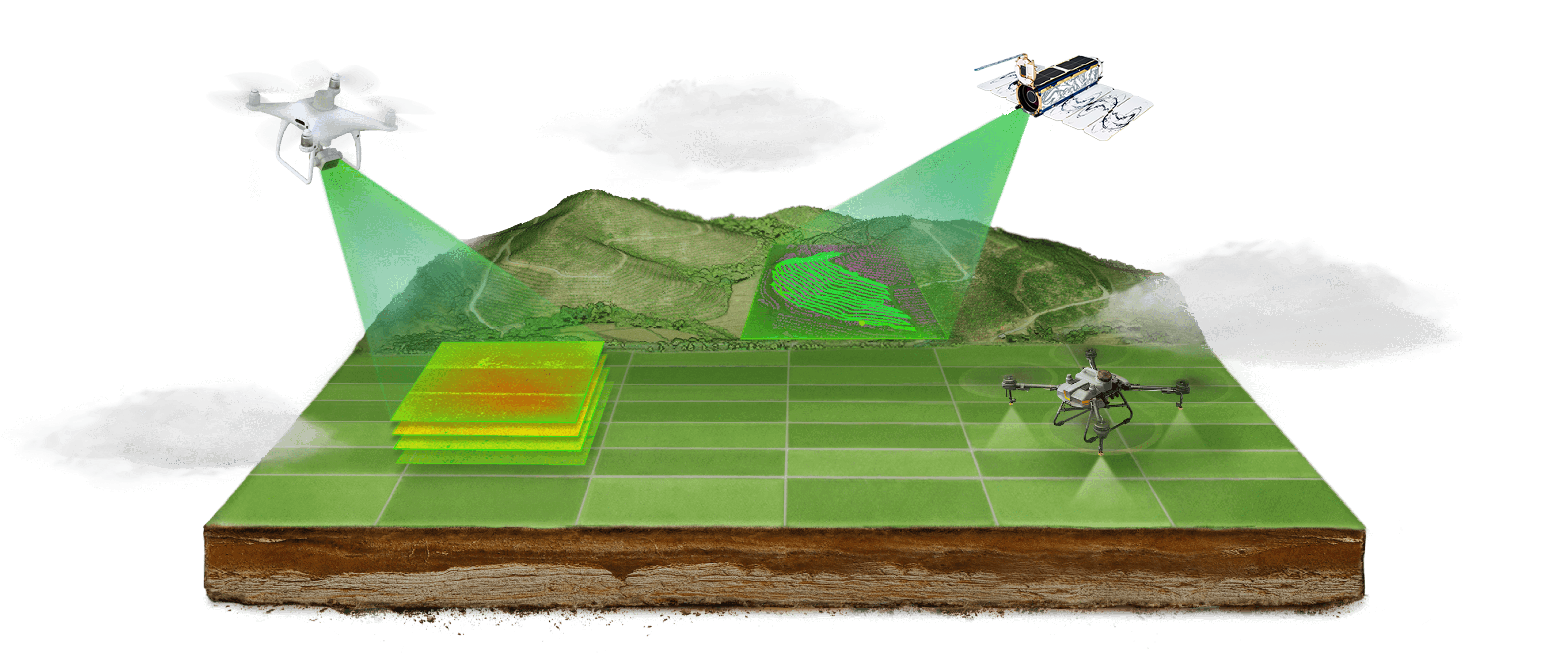
Drone and Sentinel 2 Satellite flying above agricultural land.
Drones, on the first hand, also known as Unmanned Aerial Vehicles (UAVs), are small remote-controlled aircraft equipped with high-resolution cameras and other sensors like multispectral cameras or 3D sensor (LiDAR). They can fly at various altitudes and capture detailed imagery of agricultural fields and research trials. Drones offer flexibility and precision, as they can be deployed on-demand and they can fly over specific areas of interest in a fairly short period of time thanks to their portability and lightness.
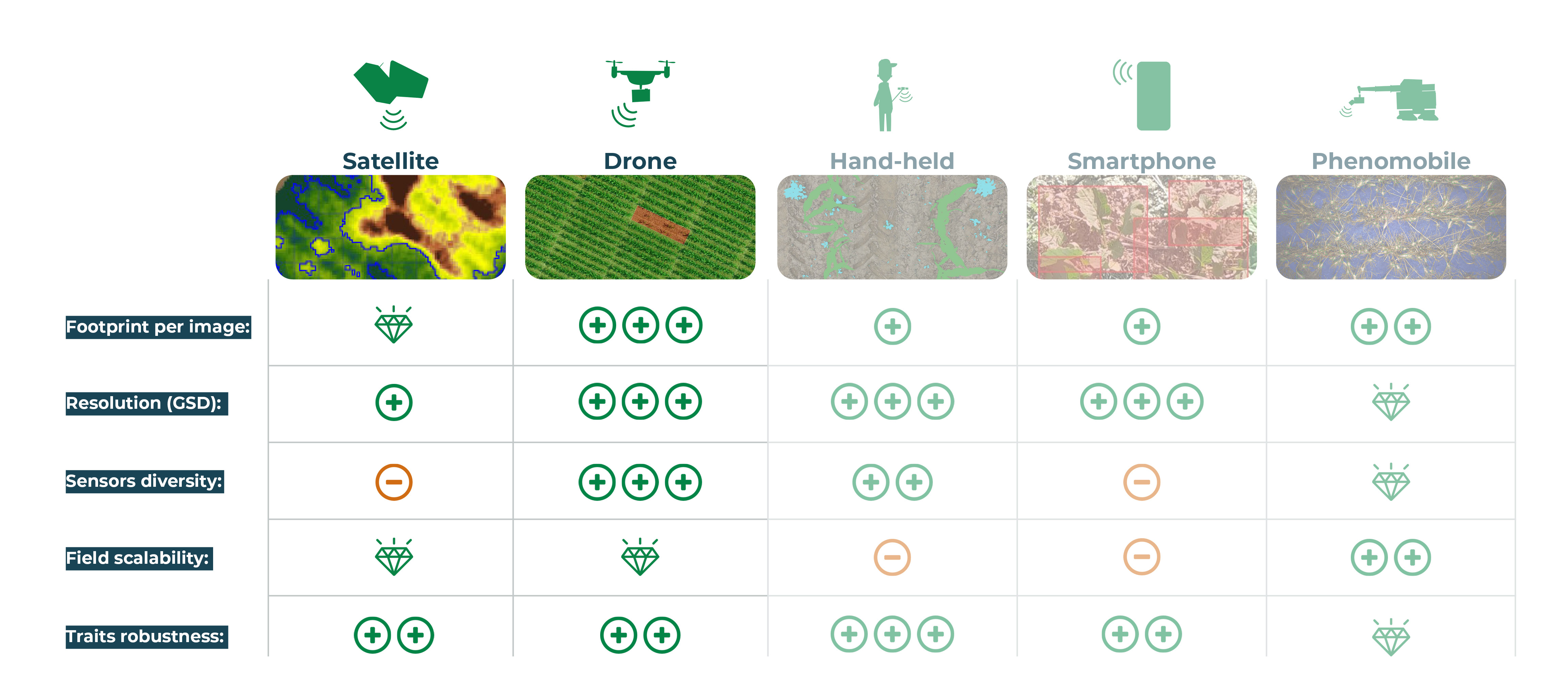
Table comparing the imaging specs of each system for phenotyping applications.
Satellites, on the other hand, are orbiting spacecraft that continuously capture images of the Earth's surface. Satellites are equipped with powerful sensors too, even if they usually are compatible with fewer sensor types (no 3D sensors yet for instance). The high-resolution equipment enable satellites to provide wide-scale coverage and monitor large agricultural regions from high altitudes. Satellites offer the advantage of regular and systematic data acquisition, allowing for consistent monitoring of crops over time.
Drone and satellite imagery has brought about significant improvements in large-scale crop monitoring across the agricultural sector; however, they differ in several key aspects:
These devices are different in their specifications but also in the assessment that they can give access to. Indeed, the sensors from a Satellite cannot capture the same thing as a Drone camera would since the proximity with the canopy and the sensor resolution are not the same, and in digital phenotyping, those parameters prevail while looking for research-grade plant assessments with deep granularity (like organ counting and classification or disease assessments for instance). But there are some traits that both devices can capture, like NDVI for example which is a vegetation index useful to estimate Vigor and Biomass, and in that case, creating data fusion with both devices and sensors helps accessing precise assessments that will give insights at different scales such as the field scale, the plot scale and even the plant scale when using high-resolution sensors.
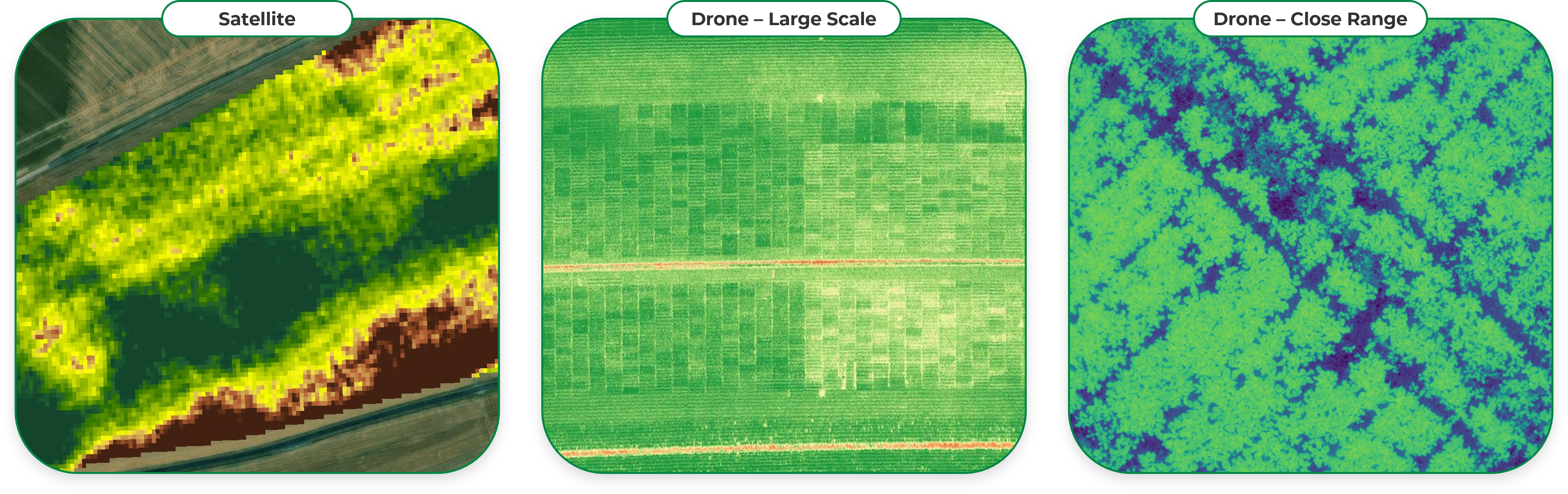
NDVI assessment from Satellite and Drone at different scales, giving access to various granularity of information.
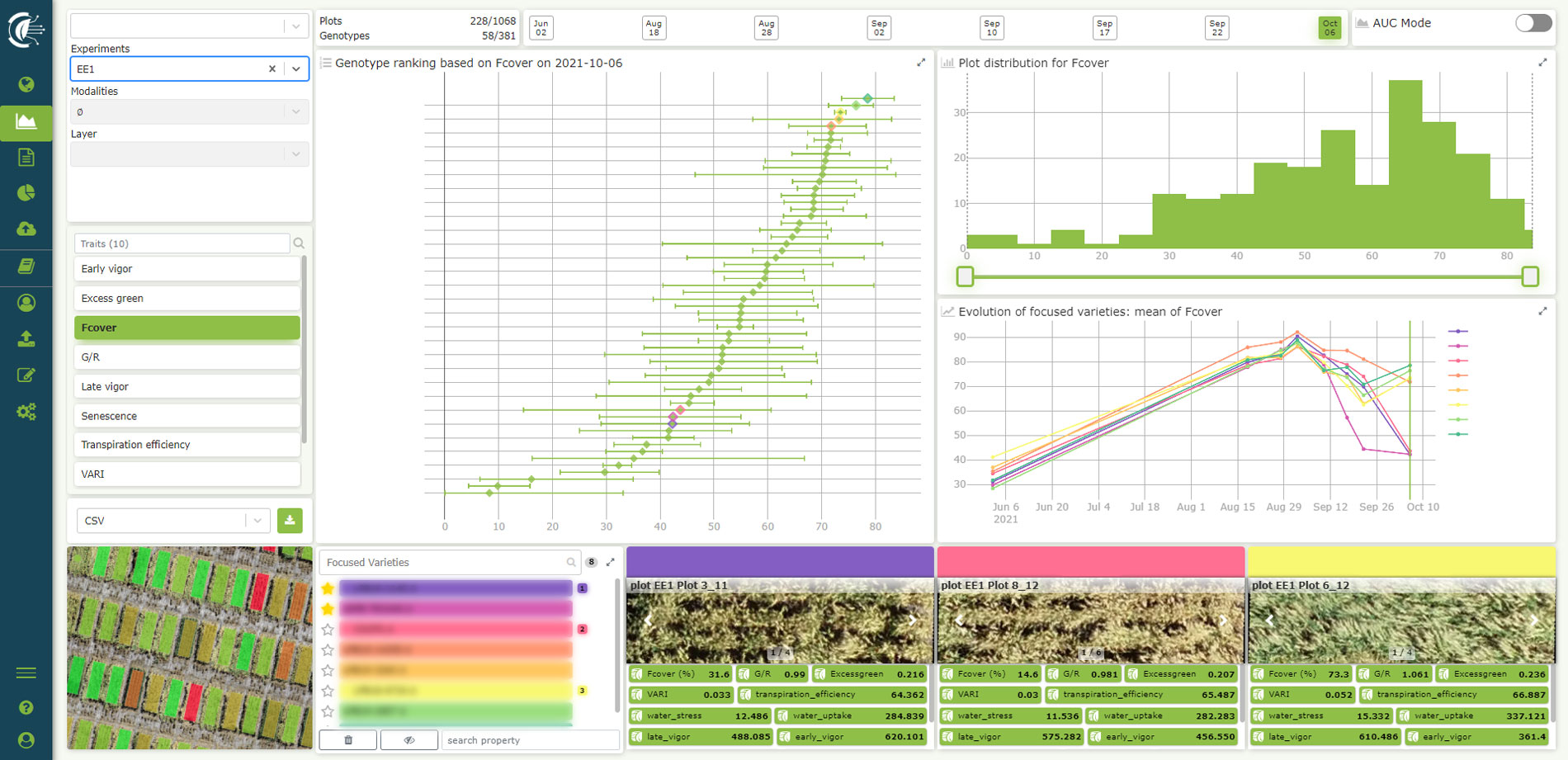
You can browse your plant traits values easily and intuitively in Hiphen's Cloverfield™.
In conclusion, drones and satellites have become indispensable tools for monitoring agricultural production. While drones excel in providing high-resolution, near real-time data for small to large plot trials assessments, satellites offer broader coverage and long-term monitoring capabilities for large-scale agricultural regions. Both options have unique value for plant phenotyping and as usual, the way you should pick either one or the other or both, should be driven by the assessments and outputs you wish to get, and by your field trial and project specifications as mentioned in the text above. By leveraging the strengths of both drone and satellite image analytics, agricultural researchers can make improved data-driven decisions, based on valuable phenotypic data and analytics, to optimize crop management practices and improve seed breeding and agricultural production globally.
Grab a time from one of our experts' Calendar to discover more.
Sincerely,
Your Hiphen Team.
Topic delivered by Patrizia ZAMBERLETTI – Imaging Solutions Specialist @Hiphen.